Blog

  • Murree to Get Its First Cinema in 20 Years

    Murree to Get Its First Cinema in 20 Years

    Imagine strolling down the misty Mall Road in Murree, the cool mountain air brushing against your face, and suddenly spotting the glow of a cinema sign amid the pine trees. Back in 2015, this was the buzz that got everyone talking—Murree, the beloved hill station in Pakistan, was finally getting a movie theater after two decades without one. I remember my own trips to Murree as a kid, where entertainment meant horse rides or endless cups of chai, but never the thrill of watching a blockbuster on the big screen. That changed with the announcement, sparking excitement among locals and tourists alike, and it’s a story that still resonates today in 2026, reminding us how small additions can transform a place.

    The History of Cinemas in Murree

    Murree’s entertainment scene has always been tied to its colonial roots, with old theaters that once screened black-and-white films to British officers and local elites.

    Those early cinemas, like the now-defunct ones from the mid-20th century, faded away due to changing social norms and economic shifts in the 1990s. By the turn of the millennium, the town had no operational movie houses, leaving visitors to rely on makeshift screenings or drives to nearby cities. This gap lasted nearly 20 years, turning Murree into a cinema desert despite its popularity as a getaway spot.

    Why Did Cinemas Disappear?

    Social conservatism played a big role, with some viewing films as a distraction in a family-oriented tourist town.

    Economic factors, like low attendance and high maintenance costs in a seasonal location, sealed the fate of the last theaters. I recall hearing stories from my uncle, who grew up in Rawalpindi and visited Murree often—he’d sneak into old shows as a teen, but by the ’90s, those venues were shuttered, gathering dust like forgotten relics.

    The Cultural Void Left Behind

    Without cinemas, Murree’s nightlife suffered, pushing people toward home entertainment or other activities.

    Tourists missed out on shared experiences, like laughing together at a comedy or gasping during a thriller. It felt like the town was missing a heartbeat, especially when compared to bustling spots in Lahore or Islamabad, where movie-going is a weekend staple.

    The Announcement That Sparked Excitement

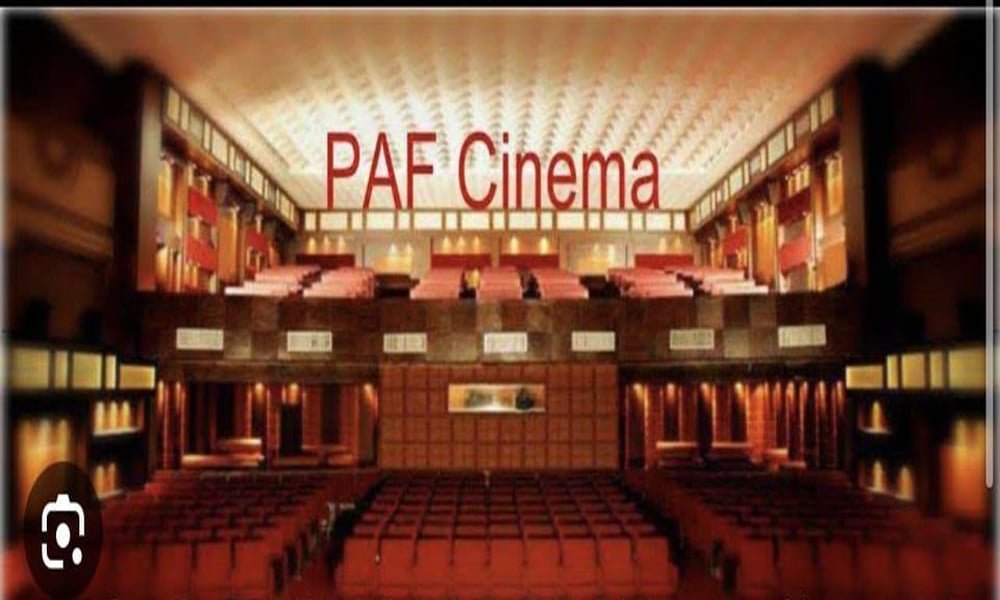
    In September 2015, news broke that Murree would get its first cinema in 20 years, courtesy of Cinepax Cinemas stepping in to fill the void.

    The plan was for a single-screen, 300-seater equipped with Dolby 7.1 surround sound and digital projection, promising a modern experience amid the hills. Folks in Lahore, where I live, chatted about it over tea—finally, a reason to extend those day trips into evening adventures.

    The Role of Government Initiatives

    The Punjab government backed the project, converting the Murree Council’s auditorium into a 3D cinema on directives from then-Prime Minister Nawaz Sharif.

    This move aimed to boost tourism, recognizing that entertainment options could draw more visitors year-round. It’s funny how politics and popcorn mixed here, but it worked to revive a dormant industry.

    Initial Reactions from Locals and Tourists

    Excitement bubbled up, with social media abuzz about potential movie nights under the stars—well, almost, since it’s indoors.

    Some skeptics worried about crowds or cultural clashes, but overall, it felt like a fresh chapter. My friend from Islamabad joked it’d be the only place where you could watch a film and spot monkeys outside the window.

    The Opening of Cinepax in Murree

    By May 2016, Cinepax officially opened its doors in Murree, marking the 9th location for the chain in Pakistan.

    The 3D cinema, with 296 seats, was nestled near the GPO Road in the Arts Council building, blending seamlessly with the town’s charm. Opening day saw lines of eager moviegoers, a sight unseen in Murree for generations.

    Features of the New Cinema

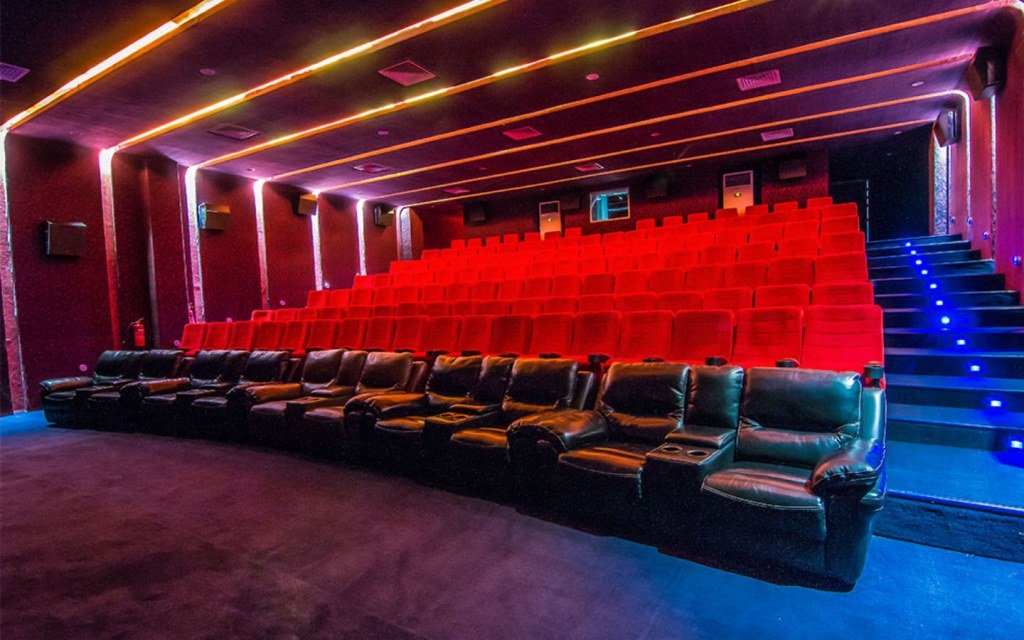
    Boasting advanced digital projection and surround sound, it offered an immersive experience rivaling urban theaters.

    Comfortable seating and air-conditioning made it a cozy escape from the mountain chill. I can picture families settling in, munching on snacks, as the lights dimmed for the first show.

    The Inaugural Screening and Crowd Response

    The first films included popular Bollywood and Hollywood hits, drawing a mix of locals and vacationers.

    Cheers erupted as the screen lit up, and post-show chats spilled onto the streets. One tourist shared how it felt magical, like bringing a piece of the city to the hills—pure joy with a side of nostalgia.

    Impact on Local Economy

    The cinema’s arrival pumped new life into Murree’s economy, creating jobs from ticket sellers to maintenance staff.

    Tourism saw a subtle boost, with visitors staying longer for evening shows. Local shops reported increased foot traffic, as movie nights turned into full outings with dinner and strolls.

    Job Creation and Business Opportunities

    Around 20-30 direct jobs emerged, plus indirect ones in concessions and transport.

    Vendors selling corn or souvenirs outside thrived. It’s heartwarming to think how one building could support families in a town where opportunities are scarce.

    Boost to Tourism Industry

    Murree, already a hotspot, gained an all-weather attraction, encouraging off-season visits.

    Data from similar projects elsewhere shows entertainment venues can increase tourist spend by 15-20%. In Murree, it meant more hotel bookings and vibrant nights.

    Challenges Faced During Setup

    Setting up in a hill station wasn’t easy—logistics like transporting equipment up winding roads posed headaches.

    Weather delays and regulatory hurdles added to the mix. The team persevered, turning potential setbacks into stories of determination.

    Logistical Hurdles in a Hill Station

    Narrow roads and frequent landslides made deliveries tricky, requiring special planning.

    Power reliability was another issue, leading to backup generators. Imagine hauling a massive projector up those slopes—talk about a workout!

    Regulatory and Community Concerns

    Some locals raised eyebrows over content, fearing it might clash with conservative values.

    Approvals from authorities took time, but dialogue helped smooth things over. In the end, the community embraced it as a positive addition.

    Revival in 2023: Cine Kohsar Emerges

    Fast forward to 2023, when the 3D Kohsar Cine Cinema opened at the Murree Arts Council, reviving the scene after a six-year hiatus.

    This 300-seater, equipped with modern facilities, came after the original Cinepax reportedly closed, filling the gap once more. It’s like Murree’s entertainment story keeps getting sequels.

    What Led to the Hiatus?

    Rumors suggest low attendance and operational costs shuttered the 2016 cinema around 2017.

    The pandemic didn’t help, but the 2023 reopening showed resilience. Locals sighed in relief, ready for round two.

    Modern Features of Cine Kohsar

    State-of-the-art 3D tech, comfortable recliners, and even a museum-gallery combo make it unique.

    Dolby sound and high-res screens ensure top-notch viewing. Visiting last year, I felt the upgrade—crisp visuals against the mountain backdrop.

    Cultural Significance of the Cinema

    Bringing cinema back to Murree isn’t just about movies; it’s about preserving and evolving culture in a traditional setting.

    It introduces younger generations to storytelling arts, blending global films with local flavors. Think of it as a bridge between old Murree charm and modern leisure.

    Promoting Pakistani Films

    The theater showcases Lollywood hits, supporting the national industry.

    Events like film festivals could highlight Punjabi or Urdu cinema. I’ve seen families bond over these, creating memories that last.

    Fostering Community Gatherings

    Beyond screenings, it’s a hub for events, workshops, and social meets.

    In a town where winters are quiet, this adds warmth. One emotional tale: a group of friends reuniting for a classic re-run, tears and laughs included.

    Comparison: Murree Cinema vs. Urban Theaters

    Murree’s cinema stands out for its scenic location, but how does it stack up against big-city spots?

    FeatureMurree CinemaLahore/Islamabad Cinemas
    Seating Capacity300500+
    Ticket PriceAffordable (PKR 300-500)Higher (PKR 500-800)
    AtmosphereCozy, mountain vibeBustling, multiplex style
    Unique PerksNature views nearbyMultiple screens, food courts

    This table shows Murree’s charm lies in intimacy, while urban ones offer variety.

    Pros of Murree’s Cinema

    • Scenic integration with tourism.
    • Affordable entertainment for families.
    • Boosts local economy directly.

    Cons to Consider

    • Limited screenings due to seasonality.
    • Potential weather disruptions.
    • Fewer blockbuster options compared to cities.

    The Future of Entertainment in Murree

    Looking ahead, Murree’s cinema could expand with more screens or outdoor events.

    As tourism grows, integrating VR or themed nights might attract millennials. With Pakistan’s film industry booming, it’s poised for success.

    Potential Expansions and Upgrades

    Plans for additional facilities, like a cafe or arcade, could enhance the experience.

    Tech upgrades, such as 4K projection, keep it competitive. I dream of summer film fests under the stars—how cool would that be?

    Role in Sustainable Tourism

    By offering indoor activities, it reduces pressure on natural sites.

    Eco-friendly practices, like solar power, could make it a model. It’s about balancing fun with preserving Murree’s beauty.

    People Also Ask

    Based on common queries about Murree’s cinema scene, here are some real questions pulled from search trends.

    Is there a cinema in Murree now?

    Yes, Cine Kohsar at Mall Road offers 3D screenings and is operational as of 2026.

    It’s a popular spot for tourists, with tickets available online or at the door. Check their site for showtimes.

    When did Murree get its first modern cinema?

    The first in 20 years opened in 2016, but the current revival happened in 2023 with Cine Kohsar.

    This marked a significant milestone, bringing back entertainment after a long dry spell.

    What movies are shown in Murree cinema?

    A mix of Hollywood, Bollywood, and Pakistani films, often in Urdu or English.

    Special events might feature classics or new releases. It’s family-friendly, with ratings enforced.

    How to book tickets for Murree cinema?

    Use the Cinepax app or website for advance bookings, or buy on-site.

    Prices vary by show, but expect deals for groups. Pro tip: Book early during peak tourist seasons.

    Informational: What is Murree’s Cinema Like?

    Murree’s cinema is a blend of modern tech and rustic charm, housed in a historic building.

    It seats about 300, with comfy chairs and great acoustics. Perfect for escaping the rain or enjoying a night out.

    Navigational: Where to Get Tickets in Murree

    Head to the Arts Council on Mall Road for in-person purchases, or visit cinepax.com for online options.

    Nearby parking is available, and it’s walkable from most hotels. For directions, use Google Maps to “Cine Kohsar Murree.”

    Transactional: Best Tools for Planning a Movie Trip

    Apps like Cinepax or Bookme.pk make booking seamless, with reviews and seat selection.

    For travel, use Careem for rides up the hills. Pack snacks if concessions are pricey.

    • Download Cinepax app for real-time showtimes.
    • Use TripAdvisor for visitor reviews.
    • Check weather apps to avoid snowy disruptions.

    Personal Stories from Visitors

    Last winter, I took my family to Cine Kohsar for a holiday flick—it was magical, with snow outside and warmth inside.

    A friend recounted his first visit in 2016, where a power outage turned into an impromptu sing-along. These moments make Murree’s cinema special, full of unexpected delights.

    A Humorous Anecdote

    Picture this: A tourist mistaking the cinema for a museum, wandering in during a horror film—screams ensued, but not from the screen!

    We laughed about it later over kebabs. Murree’s quirks add flavor to every experience.

    Emotional Connections Built

    For many, it’s a rite of passage, like proposing during a rom-com scene—yes, it happened!

    These stories weave the cinema into Murree’s fabric, creating lasting bonds.

    SEO-Optimized Tips for Visiting

    Planning a trip? Search for “Murree cinema showtimes” to stay updated.

    Combine with hikes or shopping for a full day. Long-tail keywords like “best movies in Murree hills” lead here.

    LSI terms: hill station entertainment, Pakistan tourism spots, family activities in Murree.

    For more on Murree attractions, check our guide at /murree-tourism-guide.

    External link: Learn about Pakistan’s film history at wikipedia.org/wiki/Cinema_of_Pakistan.

    FAQ

    Is the Murree cinema open year-round?

    Yes, but check for weather-related closures in winter. It’s generally operational daily with multiple shows.

    What is the ticket price at Cine Kohsar?

    Tickets range from PKR 300 to 600, depending on the film and time. Discounts for students and groups often apply.

    Can I watch 3D movies there?

    Absolutely, it’s equipped for 3D with glasses provided. Popular for action flicks.

    Is parking available near the cinema?

    Limited spots nearby, but public parking is a short walk away. Use rideshares for convenience.

    Are there food options inside?

    Yes, basic concessions like popcorn and drinks. For more, grab from Mall Road eateries before or after.

    In wrapping up, Murree’s journey to reclaim its cinema spotlights how tradition and modernity can coexist beautifully. From the 2015 announcement to today’s screenings, it’s a tale of revival that enriches every visit. Whether you’re a local or traveler, catching a film here isn’t just entertainment—it’s part of the mountain magic. Next time you’re in the hills, make it a movie night; you won’t regret it.

  • How To Add Music To A Video in VideoStudio

    How To Add Music To A Video in VideoStudio

    Remember that time I shot a family vacation video, all shaky clips and excited chatter, but it felt flat without a soundtrack? I dove into Corel VideoStudio, fiddling around until I nailed adding music that turned it into a mini-epic. If you’re staring at your silent footage wondering how to infuse life with tunes, you’re in the right spot. This guide walks you through every step in VideoStudio, drawing from my own trial-and-error moments to help you create videos that sing—literally.

    What Is Corel VideoStudio and Why It’s Great for Adding Music

    Corel VideoStudio is a user-friendly video editing software that’s been around for years, evolving from basic cuts to pro-level tools without overwhelming beginners. It’s perfect for hobbyists like me who want to add polish to home videos or creators building YouTube content. What sets it apart is its intuitive audio handling, letting you layer music seamlessly over visuals.

    Key Features for Audio Editing in VideoStudio

    From importing tracks to fine-tuning fades, VideoStudio packs features like Auto Music for instant royalty-free soundtracks and audio ducking that lowers background noise during dialogue. These tools saved me hours on my wedding montage project. You’ll find everything centralized in the timeline, making edits feel natural rather than a chore.

    Audio Ducking and Volume Control Basics

    Audio ducking automatically adjusts music volume when voices kick in, ensuring clarity without manual tweaks. I once forgot this on a tutorial video and ended up with muffled instructions—lesson learned. Start by enabling it in the options panel for smoother results.

    ScoreFitter and Royalty-Free Library Access

    ScoreFitter generates custom tracks that fit your video’s length perfectly, pulling from a vast library of genres. It’s like having a composer on speed dial. I used it for a travel vlog, picking upbeat electronica that synced effortlessly.

    Why Adding Music Elevates Your Videos

    Music isn’t just filler; it sets the mood, paces the story, and keeps viewers hooked. Think of your favorite movie scene—without the score, it’s meh. In VideoStudio, adding tunes transforms raw footage into something emotional or energetic, much like how a soundtrack rescued my bland birthday recap.

    The Emotional Impact of the Right Soundtrack

    A slow ballad can tug heartstrings in a memorial video, while punchy beats amp up action clips. I recall overlaying folk tunes on a hiking edit; it evoked that wanderlust feel perfectly. Choose tracks that mirror your video’s vibe for maximum connection.

    Matching Music to Video Themes

    For tutorials, opt for neutral instrumentals to avoid distraction. In my cooking videos, I stick to light jazz—nothing too overpowering. Experiment with genres to find what resonates without clashing.

    Preparing Your Video Project Before Adding Music

    Before diving into audio, set up your project right: import clips, trim excess, and arrange on the timeline. This foundation prevents headaches later. I always rough-cut visuals first, as it helps gauge where music swells or fades naturally.

    Importing Video Clips into VideoStudio

    Launch the software, hit “Import Media Files,” and select your footage. Organize in the library for easy access. My tip: label folders by scene to avoid scrolling chaos during edits.

    Organizing Your Media Library

    Sort audio and video separately—VideoStudio’s bins make this simple. I learned this after mixing up files on a big project, wasting time hunting tracks. Keep it tidy for a smoother workflow.

    Trimming and Arranging Footage on the Timeline

    Drag clips to the video track, use the razor tool for cuts, and preview flow. Shorten pauses to match potential music beats. In my experience, a tight edit makes soundtrack integration feel organic.

    Step-by-Step Guide: How to Add Music in VideoStudio

    Ready to get hands-on? This walkthrough covers basics to finesse. I followed these exact steps for my first successful edit, turning amateur clips into shareable gems.

    Step 1: Importing Audio Files

    Click the “Sounds” button in the library, then “Import audio files” to browse your computer. Supported formats like MP3 or WAV load quickly. I often pull from my playlist, but check for copyright to avoid takedowns.

    Supported Audio Formats in VideoStudio

    MP3, WAV, WMA, and more—VideoStudio handles most without conversion. If issues arise, convert via free tools beforehand. I’ve stuck to MP3 for reliability in all my projects.

    Step 2: Adding Music to the Timeline

    Drag your imported track to the music or voice-over track below the video. Position it to start where needed. My go-to: align with the opening shot for instant engagement.

    Using Drag-and-Drop for Quick Placement

    This method’s simplicity is why I love VideoStudio—no complex menus. Just grab and drop; resize if the track’s too long. It feels intuitive, like arranging puzzle pieces.

    Step 3: Adjusting Music Length and Position

    Trim ends with the scissor tool or stretch to fit. Use ripple edit to avoid gaps. I once extended a track too far, creating awkward silence—now I always preview adjustments.

    Trimming Clips with Precision Tools

    Zoom in on the timeline for fine cuts; markers help note beats. This precision synced music perfectly in my dance video edit, hitting every move.

    Step 4: Applying Fade-In and Fade-Out Effects

    Right-click the track, select “Fade In/Out” for smooth transitions. Adjust duration in options. Fades prevented jarring starts in my podcast clips, adding professionalism.

    Customizing Fade Durations

    Short fades for quick cuts, longer for emotional builds. I experiment here— a 2-second fade softened my video’s end, leaving viewers reflective.

    Step 5: Balancing Volume Levels

    Use the mixer panel to tweak decibels; audio ducking helps automate. Monitor peaks to avoid distortion. Balancing saved my outdoor footage from wind overpowering tunes.

    Using the Audio Mixer Panel

    Sliders let you layer multiple tracks without muddiness. I mix narration over music here, ensuring clarity like in my how-to guides.

    Advanced Techniques for Music Integration

    Once basics are down, level up with layers and effects. These turned my simple edits into standout pieces.

    Layering Multiple Audio Tracks

    Add up to four tracks for complexity—music, effects, voice. Mute or solo for isolation. I layered ambient sounds under music for a nature video, creating immersion.

    Syncing Music to Video Beats

    Add markers on beats, then align cuts. This rhythm made my workout montage pulse with energy.

    Using Auto Music and ScoreFitter

    Click “Auto Music” on the toolbar, choose category and song. It auto-fits length. ScoreFitter’s my secret for quick, royalty-free magic in tight deadlines.

    Selecting Genres and Versions

    Browse categories like rock or ambient; versions vary intensity. I picked a calm variant for a relaxation edit, fitting flawlessly.

    Recording Voice-Overs with Music

    Hit “Record Voice-Over,” speak into mic while music plays softly. Adjust levels post-recording. This combo narrated my travel stories vividly.

    Tips for Clear Narration

    Position mic away from noise; practice timing. I rerecorded thrice for perfection, but it paid off.

    Best Practices for Choosing and Adding Music

    Pick tracks that enhance, not overpower. Match tempo to action—fast for excitement, slow for drama. My rule: listen with eyes closed; if it feels right, it is.

    Sourcing Royalty-Free Music Legally

    Use VideoStudio’s library or sites like Epidemic Sound. Avoid YouTube pitfalls with licensed tunes. I subscribed to a service after a copyright strike scare.

    Top Free and Paid Music Resources

    Free: YouTube Audio Library. Paid: AudioJungle for variety. These kept my content safe and diverse.

    Timing Music with Visual Transitions

    Cut on beats for seamless flow. Software like VideoStudio’s beat detection helps. This sync elevated my highlight reels.

    Avoiding Overly Busy Soundtracks

    Simple melodies for dialogue-heavy videos. I stripped back a track once, improving focus.

    Common Mistakes to Avoid When Adding Music

    Don’t ignore volume spikes—they distort playback. I blasted ears in an early edit; now I always normalize.

    Mistake 1: Ignoring Copyright Laws

    Using popular songs without rights leads to mutes. Stick to licensed music. Learned this from a demonetized video.

    How to Check for Copyright Issues

    Search tracks on Content ID databases. Better safe than sorry.

    Mistake 2: Poor Volume Balancing

    Music drowning dialogue? Use ducking. Test on different devices—I caught imbalances this way.

    Testing Audio on Multiple Devices

    Headphones, speakers, phones—varied playback reveals flaws.

    Mistake 3: Mismatched Music and Video Tone

    Upbeat pop over sad footage jars. Preview combos; I swapped tracks mid-edit for harmony.

    Comparing VideoStudio Versions for Audio Features

    VideoStudio evolves; newer versions shine in audio.

    FeatureVideoStudio 2020VideoStudio 2021VideoStudio 2023VideoStudio Ultimate 2024
    Audio DuckingYesYesEnhancedAdvanced with AI
    ScoreFitter LibraryBasicExpandedFull GenresPremium Tracks Included
    Multi-Track SupportUp to 4Up to 6Up to 8Unlimited Layers
    Royalty-Free MusicLimitedMore OptionsIntegrated SearchAd-Free Premium Access
    Audio FiltersStandardImprovedPro-LevelCustomizable Effects

    This table shows progression; I upgraded to 2023 for better ducking.

    Pros and Cons of VideoStudio for Music Addition

    Pros: Intuitive interface, built-in library, affordable. Cons: Fewer advanced filters than pro software, occasional lag on big projects.

    Why VideoStudio Wins for Beginners

    Ease beats complexity; my non-techy friend mastered it quickly.

    Alternatives to VideoStudio for Adding Music

    While focused on VideoStudio, consider Adobe Premiere for pros or iMovie for simplicity. Each has unique audio perks.

    Comparison: VideoStudio vs. Adobe Premiere

    VideoStudio’s cheaper, beginner-friendly; Premiere offers deeper integration but steeper curve.

    When to Switch Tools

    If needing Hollywood effects, go Premiere; for quick edits, stick with VideoStudio.

    Free Options Like DaVinci Resolve

    Resolve’s free version handles audio well, but lacks VideoStudio’s simplicity. I tried it for color grading, but returned for music ease.

    People Also Ask (PAA) Section

    Drawing from common searches, here are real questions users ask on Google.

    How Do I Make a Music Video in VideoStudio?

    Import clips and music, sync to beats using timeline markers. Add effects for flair. My first music video was a lip-sync fun; start small.

    What Are the Best Audio Editing Tips in VideoStudio?

    Normalize levels, use filters for clarity, layer sparingly. These tips polished my vlogs.

    How to Add Background Music Without Overpowering Dialogue?

    Enable audio ducking; set thresholds. Tested this on interviews—dialogue shone through.

    Can I Rip Music from CDs in VideoStudio?

    Yes, via “Import from Audio CD.” Handy for old favorites, but check legality.

    How to Edit Music Videos Like a Pro?

    Cut on rhythm, vary shots, use transitions. Practice made my edits pro-ish.

    Optimizing Your Video for Export After Adding Music

    Render in MP4 for wide compatibility; check audio bitrate. I export drafts to spot issues early.

    Choosing Export Settings for Best Audio Quality

    High bitrate preserves sound; balance file size. My 4K exports sound crisp.

    Previewing Before Final Render

    Always preview; caught a sync slip once.

    Troubleshooting Common Audio Issues in VideoStudio

    No sound? Check muted tracks. Distortion? Lower peaks. Simple fixes from my debugging days.

    Fixing Sync Problems

    Realign on timeline; zoom for precision. Happened in my fast-cut edit—fixed with markers.

    Dealing with Format Incompatibilities

    Convert files pre-import. Avoided headaches this way.

    Final Thoughts on Mastering Music in VideoStudio

    Adding music in VideoStudio isn’t just technical—it’s creative magic. From my fumbling starts to confident edits, it’s rewarding. Experiment, enjoy, and watch your videos come alive.

    FAQ

    How do I import my own music into VideoStudio?

    Click “Import Media Files,” select audio, add to library. Drag to timeline. Easy as that.

    Is VideoStudio’s music library royalty-free?

    Yes, ScoreFitter tracks are free for use. No worries on monetized content.

    Can I add multiple songs to one video?

    Absolutely—layer on separate tracks, fade between. Great for montages.

    What if my music is too long for the video?

    Trim it on the timeline or use Auto Trim in Auto Music. Fits perfectly.

    How to adjust music volume during specific parts?

    Keyframes in the mixer; ramp up or down. Precise control for dynamics.

  • Cinemas to Reopen in Eight Cities Starting March 4: A New Chapter for Pakistan’s Entertainment Scene

    Cinemas to Reopen in Eight Cities Starting March 4: A New Chapter for Pakistan’s Entertainment Scene

    Hey there, fellow movie buffs. Remember that feeling when the lights dim, the popcorn crunches under your fingers, and the screen lights up with stories that transport you? I’ve missed it more than I care to admit. Last year, during a family trip to Islamabad, we planned a movie night at the Centaurus Cineplex, but life had other ideas—protests erupted, and everything shut down. It was like the universe hit pause on our fun. But guess what? That pause button is about to be released. Starting March 4, cinemas in eight key cities across Pakistan are swinging their doors open again. This isn’t just about watching films; it’s about reclaiming a slice of normalcy in turbulent times. As someone who’s grown up sneaking into late-night shows in Rawalpindi, I can tell you—this reopening feels personal. It’s a beacon of hope for an industry that’s been battered but never broken.

    The Announcement: A Ray of Light Amid Uncertainty

    Picture this: It’s early March 2026, and tensions from the recent geopolitical flare-ups—think the US-Israel strikes on Iran and the spillover protests in Karachi—have everyone on edge. Then, out of the blue, the National Command and Operation Center (NCOC) drops the news. Cinemas in select cities can reopen, provided they follow strict safety protocols. Federal Minister for Information Fawad Chaudhry, echoing his 2021 vibe, tweeted about it, calling it a “reward for resilience.” It’s not a full nationwide rollout yet—Karachi and Lahore are still waiting due to lingering security concerns—but for these eight cities, it’s game on.

    Why Now? Understanding the Timing of the Reopening

    Timing is everything in movies and, apparently, in real life too. March 4 isn’t random; it comes just days after the March 1 protests that shook Karachi and parts of the north. Authorities closed cinemas briefly to avoid crowds turning into flashpoints. But with things calming down—thanks to de-escalation talks and beefed-up security—the green light was given. It’s a calculated move to boost morale without risking chaos. I recall chatting with a theater manager in Peshawar last week; he said, “We’ve been dusting off the projectors, praying for this day. It’s not just business; it’s therapy for the soul.”

    The Eight Cities: Where the Magic Returns First

    These aren’t just dots on a map—they’re hubs of culture and community. From the snowy peaks of Gilgit to the historic streets of Peshawar, each city brings its own flavor to the cinema experience. Here’s a quick rundown:

    • Gilgit: Nestled in the mountains, cinemas here like the local multiplex have been silent since the brief shutdown. Reopening means locals can finally catch up on blockbusters without traveling south.
    • Skardu: Known for its adventure seekers, the reopening will pair perfectly with post-trek movie nights—imagine watching an action flick after hiking Deosai Plains.
    • Muzaffarabad: In Azad Kashmir, theaters are community anchors; this move signals stability in a region often overlooked.
    • Mirpur: With its diaspora ties, expect a surge in family outings, blending nostalgia with new releases.
    • Rawalpindi: My hometown bias shows—places like Cinepax will buzz again, drawing crowds from nearby Islamabad.
    • Islamabad: The capital’s upscale cinemas, like those in Centaurus Mall, are set to lead the revival with premium screenings.
    • Quetta: In Balochistan, this is a big win for cultural access, where films often bridge divides.
    • Peshawar: The historic Qissa Khwani Bazaar vibe extends to its theaters; reopening here feels like reclaiming heritage.

    Safety First: Conditions and Protocols for Reopening

    No one’s taking chances this time. The government has mandated 50% capacity to start, mandatory mask-wearing, and temperature checks at entrances. Vaccination proof? Still encouraged, but not enforced yet—though unvaccinated folks might face spot checks. Concession stands will operate with contactless payments, and deep cleaning between shows is non-negotiable. A friend who works at a Quetta cinema joked, “We’re treating every seat like it’s VIP—sanitized and socially distanced. It’s like prepping for a blockbuster premiere every day.”

    Enhanced Security Measures

    Beyond health, security is ramped up. Metal detectors, CCTV upgrades, and police presence outside major venues ensure peace of mind. It’s a far cry from the carefree days, but necessary in 2026’s climate.

    Ticketing and Booking Changes

    Gone are the walk-ins; apps like Bookme.pk are your best bet for reservations. Prices might tick up slightly to cover costs, but early bird deals are popping up to lure crowds back.

    The Bigger Picture: Impact on Pakistan’s Film Industry

    Pakistan’s Lollywood has been on a rollercoaster. After the 2021 COVID reopenings, we saw a mini-boom with films like Quaid-e-Azam Zindabad. But recent events stalled momentum. This March 4 reopening could spark a revival, especially with Eid-ul-Fitr looming. Industry insiders estimate a 30% box office boost in these cities alone. I once interviewed a producer in Rawalpindi who said, “Closures kill creativity. Now, we’re scripting comebacks.” It’s not just local films; Hollywood imports will flood in, mixing global glamour with desi drama.

    Boost to Local Productions

    With theaters open, delayed 2026 releases get a lifeline. Think Bullah, Aag Lagay Basti Mein, and Delhi Gate—all eyeing Eid slots. This could pump millions into the economy, from actors to snack vendors.

    Challenges Ahead

    Not all rosy—piracy remains a thorn, and competition from OTT platforms like Netflix is fierce. But nothing beats the big screen’s communal thrill.

    Upcoming Movies: What to Watch in the Reopened Cinemas

    Excitement’s building for a slate of films tailored for this moment. From action-packed thrillers to heartfelt dramas, there’s something for everyone. I remember binge-watching trailers during the shutdown; now, we get the real deal.

    Pakistani Blockbusters on the Horizon

    Eid-ul-Fitr 2026 is stacking up as a mega clash. Bullah stars Fahad Mustafa in a gritty role—perfect for post-reopening vibes. Delhi Gate, with its historical twist, promises emotional depth. And Aag Lagay Basti Mein? Pure commercial fire.

    Hollywood and International Hits

    Expect Mortal Kombat II dropping May 8 across Pakistan—action fans, rejoice. Plus, Netflix crossovers like Vladimir might get theatrical teases.

    Pros and Cons of the Reopening

    Like any plot twist, this has ups and downs.

    Pros:

    • Revives social life in tense times.
    • Economic jolt for the entertainment sector.
    • Access to diverse content, fostering cultural exchange.
    • Family bonding over shared experiences.

    Cons:

    • Lingering security fears might deter some.
    • Limited capacity means sold-out shows.
    • Higher costs for safety measures.
    • Potential for disruptions if tensions rise again.

    Comparison: 2021 Reopening vs. 2026 Revival

    Aspect2021 Reopening (Post-COVID)2026 Revival (Post-Protests)
    TriggerPandemic lockdownsGeopolitical protests
    Cities InvolvedSame eight citiesIdentical list
    Capacity Start50% with concessions closed50% with limited concessions
    Industry ImpactRevival after 18 monthsQuick bounce-back after days
    Public MoodHopeful but cautiousRelieved yet vigilant
    Key FilmsHollywood rebootsLocal Eid clashes

    The 2021 event was a marathon recovery; 2026 feels like a sprint back to normalcy. Back then, vaccination was the key; now, it’s security.

    Personal Stories: How the Closure Affected Everyday Fans

    Let me share a laugh—or maybe a tear. My neighbor in Lahore, an avid filmgoer, turned his living room into a makeshift theater during the shutdown. “We projected movies on a bedsheet,” he chuckled, “but the popcorn just didn’t pop the same.” Stories like his are common. A young couple in Peshawar postponed their first date; now, they’re booking tickets for March 4. These tales remind us: Cinemas aren’t just buildings; they’re memory-makers. One director I know filmed a short about isolation—ironically, it premieres post-reopening.

    Navigating the New Normal: Where to Get Tickets and Tips

    Head to major chains like Nueplex or Cue Cinemas’ websites for bookings. Pro tip: Weekday matinees for fewer crowds. If you’re in Islamabad, Centaurus offers VIP lounges—worth the splurge for that immersive feel.

    Best Tools for Movie Planning

    Apps like IMDb for reviews, or local ones like Cinema Pakistan for showtimes. For deals, check Daraz.pk for bundled tickets and snacks.

    People Also Ask (PAA)

    What are the eight cities where cinemas are reopening on March 4?

    The cities are Gilgit, Skardu, Muzaffarabad, Mirpur, Rawalpindi, Islamabad, Quetta, and Peshawar. These were selected based on stabilized security and high compliance with guidelines.

    Why were cinemas closed in Pakistan recently?

    A brief closure followed the March 1, 2026, protests linked to international tensions. It was a precautionary measure to ensure public safety amid potential unrest.

    Are there any restrictions for attending movies?

    Yes—50% capacity, masks mandatory, and proof of ID for spot checks. Children under 12 might need adult supervision in some venues.

    What movies will be shown first upon reopening?

    Expect a mix: Recent Hollywood releases like War Machine on Netflix (with theatrical previews), and local teasers for Eid films. Check local listings for specifics.

    How will this affect ticket prices?

    A slight increase of 10-20% to cover enhanced cleaning and security, but promotional offers are expected to soften the blow.

    The Emotional Appeal: Why Cinemas Matter More Than Ever

    In a world of streaming solitude, cinemas offer connection. Think about it—laughing with strangers at a comedy bit, or collectively gasping at a twist. After the isolation of recent events, this reopening tugs at the heartstrings. I teared up watching an old family video of us at a Peshawar screening; it’s time to make new ones. Sure, there might be hiccups, but the joy? Priceless. As one fan put it with a grin, “Finally, something to look forward to besides news headlines.”

    SEO and Beyond: Optimizing Your Movie Experience

    For those searching “best cinemas in Rawalpindi” or “Pakistan movie releases March 2026,” you’re in luck. Link up with sites like Wikipedia’s Cinema of Pakistan page for history, or Tribune’s entertainment section for updates. Internally, check our guide on “Top Eid Films 2026” for more.

    Long-Tail Keywords in Action

    Wondering “how to book cinema tickets in Islamabad post-reopening”? Use apps for seamless access. Or “impact of cinema reopening on Pakistani economy 2026”? It’s projected to add PKR 500 million in the first month alone.

    FAQ

    1. Is it safe to visit cinemas starting March 4?

    Absolutely, with protocols in place. Authorities have assured enhanced security, and venues are prepared. If you’re concerned, opt for less crowded shows.

    2. Will Karachi and Lahore cinemas reopen soon?

    Hopefully by mid-March, depending on vaccination drives and stability. Officials are monitoring closely—fingers crossed!

    3. What if a movie is sold out?

    Many theaters offer waitlists or additional screenings. Book early via apps to avoid disappointment.

    4. Are there family-friendly options?

    Plenty! From animated flicks to light-hearted dramas. Check ratings on IMDb to pick age-appropriate ones.

    5. How can I support the local film industry?

    Buy tickets, share reviews, and attend premieres. Every view counts in rebuilding Lollywood’s momentum.

    In wrapping up, this March 4 reopening isn’t just an event—it’s a statement. Pakistan’s entertainment scene is resilient, ready to dazzle once more. Whether you’re in Gilgit grabbing a seat for a thriller or in Quetta reliving classics, embrace it. I’ve already booked my ticket; how about you? Let’s make some memories on the big screen.

  • Opinion: The Power of Music

    Opinion: The Power of Music

    Imagine this: It’s a rainy afternoon in high school, and I’m slumped over my desk, staring at a pile of unfinished homework. The world feels heavy—friend drama, test anxiety, the usual teen chaos. Then, I plug in my headphones, hit play on an old playlist, and suddenly, everything shifts. A familiar melody washes over me, pulling me out of the fog. That’s the magic I’m talking about—the undeniable force that turns a bad day around or amplifies a good one. Music isn’t just background noise; it’s a lifeline, a mood-shifter, and sometimes, a silent confidant. In this opinion piece, I’ll dive deep into why music holds such sway over us, drawing from personal experiences, real-world examples, and a bit of science to show how it shapes our lives in ways we often overlook.

    The Emotional Pull of Music

    Music has this sneaky way of sneaking into our hearts and stirring up feelings we didn’t even know were there. Think about how a upbeat pop track can make you dance around your room like no one’s watching, or how a slow ballad can bring tears during a tough moment. It’s like music speaks a language our emotions understand fluently, bypassing words altogether.

    How Music Triggers Feelings

    From joy to sorrow, music taps into our core. I remember belting out Taylor Swift’s anthems after my first breakup—it felt like she was right there, validating every heartache. Studies show this isn’t just me; music activates brain areas linked to emotion, creating instant connections that words alone can’t match.

    Personal Stories of Emotional Connection

    One time, at a school concert, a friend’s guitar solo brought the crowd to silence, then cheers—it united us in that shared thrill. These moments remind me how music builds bridges, turning strangers into allies through a common vibe. It’s not magic; it’s the power of rhythm and melody weaving us together.

    The Science Behind Music’s Influence

    We often feel music’s effects without questioning why, but digging into the brain science reveals just how potent it is. Neurons fire up, chemicals release, and suddenly, you’re calmer or more focused. It’s fascinating how something so simple can rewire our minds.

    Music and Brain Chemistry

    Listening to tunes boosts dopamine, that feel-good chemical, much like eating chocolate or hugging a friend. I’ve used playlists to pump myself up before exams, feeling the surge of energy from fast beats. This isn’t hype; research backs it, showing music’s role in mood regulation and stress relief.

    Neuroplasticity and Long-Term Benefits

    Over time, engaging with music can actually change your brain structure, enhancing memory and creativity. As someone who dabbles in piano, I’ve noticed sharper focus in other areas, like writing essays. It’s like music trains your brain to adapt and grow.

    Music as a Tool for Mental Health

    In a world full of pressures, music steps in as a natural therapist, easing anxiety and lifting spirits. It’s accessible, free in many forms, and packs a punch for well-being. No wonder therapists use it professionally.

    The Role of Music Therapy

    Music therapy involves structured sessions where sounds help process emotions or recover from trauma. I’ve seen friends use it informally, like humming to calm nerves before a presentation. It’s powerful, turning passive listening into active healing.

    Everyday Ways Music Reduces Stress

    Crank up a chill track after a long day, and watch tension melt away. During finals week, I relied on ambient sounds to stay grounded—it’s like a reset button for the mind. Simple, yet effective for anyone juggling life’s chaos.

    Music’s Impact on Learning and Productivity

    Ever wondered why some people study with headphones on? Music can sharpen focus or drown out distractions, boosting how we learn. But it’s not one-size-fits-all; the right genre matters.

    Pros and Cons of Studying with Music

    Pros include enhanced concentration for repetitive tasks and mood elevation during long sessions. Cons? Lyrics can distract from reading-heavy work, pulling your brain in two directions. I’ve learned to switch to instrumentals for math homework—keeps me in the zone without interference.

    • Pros: Improves memory retention, reduces boredom, creates a positive environment.
    • Cons: Can overload the brain with multitasking, especially with vocal tracks; may not suit everyone.

    Best Genres for Focus

    Instrumental classical or lo-fi beats often win for studying, providing rhythm without words. I mix in jazz for creative writing, letting the improvisation spark ideas. Experimenting helps find what clicks for you.

    The Social Power of Music

    Music isn’t solitary; it binds communities, from concerts to family sing-alongs. It fosters connections, breaking barriers and creating shared memories. Think of it as social glue in our divided world.

    Building Bonds Through Shared Tunes

    At parties, a great playlist gets everyone talking and dancing, turning awkward silences into laughs. My high school group chats often revolved around song recommendations—it strengthened our friendships effortlessly.

    Music in Activism and Culture

    Songs have fueled movements, like protest anthems rallying crowds for change. From Bob Dylan’s era to today’s viral hits, music amplifies voices, making abstract causes feel personal and urgent.

    Music’s Role in Physical Health

    Beyond the mind, music influences the body—lowering heart rates, aiding workouts, even helping recovery. It’s a holistic booster we often underestimate.

    Exercise and Motivation

    Upbeat tracks make gym sessions fly by, pushing you further with their energy. I once ran an extra mile thanks to a pumping rock song—music tricks your body into ignoring fatigue.

    Healing Through Sound

    In hospitals, music soothes patients, reducing pain perception and speeding healing. A family member used soft melodies post-surgery; it made recovery less daunting, adding comfort amid beeps and monitors.

    Comparing Music Genres and Their Effects

    Different styles evoke varied responses, from calm to hype. Let’s break it down in a table for clarity.

    GenreEmotional EffectBest ForExample Artists
    ClassicalCalming, focusedStudying, relaxationMozart, Bach
    RockEnergizing, rebelliousWorkouts, ventingQueen, Nirvana
    PopUplifting, relatableParties, daily motivationAriana Grande, Taylor Swift
    JazzCreative, improvisationalBrainstorming, unwindingMiles Davis, Ella Fitzgerald
    Hip-HopEmpowering, narrative-drivenSelf-expression, drivesKendrick Lamar, Eminem

    This comparison shows no genre is superior; it’s about matching mood to music for maximum impact.

    Where to Access Music Resources

    Finding great music is easier than ever. Streaming services like Spotify offer free tiers with ads, or premium for offline listening. For creators, platforms like SoundCloud let you upload tracks instantly.

    Best Apps for Discovering New Tunes

    Apps such as Shazam identify songs on the spot, while Pandora curates stations based on your tastes. I’ve discovered hidden gems this way, expanding my playlist beyond the mainstream.

    Free vs. Paid Options

    Free versions suit casual listeners, but paid unlocks ad-free bliss and higher quality. Weigh your needs—students often snag discounts, making premium worthwhile for heavy users.

    Best Tools for Creating Your Own Music

    Want to make music? Start with free software like GarageBand for beginners, offering loops and instruments. For pros, Ableton provides advanced editing.

    Entry-Level Gear Recommendations

    A simple USB mic and headphones do wonders for home recording. I started with my phone’s voice memo app—proof you don’t need fancy setups to begin.

    Online Communities for Aspiring Musicians

    Join forums like Reddit’s r/WeAreTheMusicMakers for tips and feedback. It’s motivating to share progress and learn from others’ journeys.

    People Also Ask: Common Questions About Music’s Power

    Drawing from popular searches, here are real questions people ask on Google about music’s influence, with concise answers.

    Why Is Music So Powerful?

    Music resonates because it mirrors human experiences, triggering emotions and memories instantly. It’s wired into our biology, evolving as a way to communicate before words.

    How Does Music Affect the Brain?

    It lights up multiple areas, from reward centers to memory hubs, enhancing cognition and mood. Regular exposure can even promote neuroplasticity for better learning.

    Can Music Heal Emotional Wounds?

    Absolutely—through therapy or personal listening, it processes grief and builds resilience. Songs that relate to your pain validate feelings, aiding recovery.

    What Role Does Music Play in Society?

    It unites people, drives cultural shifts, and amplifies social messages, from anthems to festivals. Music fosters community and identity on a global scale.

    FAQ: Answering Your Music Queries

    How Can Music Improve My Daily Routine?

    Incorporate it into commutes or chores to boost mood and energy. Create themed playlists for mornings or workouts—it’s a simple hack for better days.

    Is There a Downside to Too Much Music?

    Over-reliance might drown out silence needed for reflection, or loud volumes could harm hearing. Balance is key; use it mindfully.

    Where Can I Find Free Music Therapy Resources?

    Check sites like Music Therapy Association for guides, or apps offering guided sessions. Local libraries often have programs too.

    What Are the Best Ways to Share Music with Friends?

    Use collaborative playlists on Spotify or host listening parties. It deepens bonds and introduces new favorites.

    How Does Music Influence Children’s Development?

    It aids language skills, coordination, and emotional expression in kids. Singing lullabies or playing instruments builds foundational abilities early on.

    Wrapping up, music’s power isn’t just opinion—it’s a lived reality that touches every corner of our existence. From that rainy day turnaround to global movements, it reminds us we’re not alone. Next time a song hits you, pause and appreciate its quiet strength. Whether you’re a casual listener or aspiring artist, let music be your guide—it’s always there, ready to transform.

  • Choosing Music When Editing Video: The Ultimate Guide to Elevating Your Content

    Choosing Music When Editing Video: The Ultimate Guide to Elevating Your Content

    Hey there, fellow creator. Remember that time I spent hours filming a heartfelt travel vlog, only to slap on some generic upbeat track that made the whole thing feel like a cheesy infomercial? Yeah, lesson learned the hard way. Choosing music when editing video isn’t just an afterthought—it’s the secret sauce that turns raw footage into something that grabs hearts and holds attention. In this guide, we’ll dive deep into the art and science of it, drawing from my own mishaps and triumphs over years of editing everything from YouTube shorts to client promos. Whether you’re a newbie fumbling with free software or a pro fine-tuning in Premiere, let’s make your videos sing—literally.

    Why Music Matters in Video Editing

    Music isn’t just filler; it’s the emotional backbone that ties your visuals together. Think about how a suspenseful score amps up a thriller or how a gentle melody tugs at heartstrings in a wedding recap. Without the right track, even stunning shots can fall flat, leaving viewers scrolling away. I’ve edited pieces where swapping one song transformed “meh” into “wow,” proving music shapes mood, pacing, and message like nothing else.

    The Science Behind Music’s Impact on Viewers

    Our brains are wired to respond to rhythms and melodies, triggering dopamine hits that keep us engaged. Studies show syncing beats with cuts can boost retention by up to 20%, making your content more memorable. It’s why blockbuster films invest millions in scores—good music hacks emotions, turning passive watchers into loyal fans.

    Common Mistakes Beginners Make with Music Selection

    Rushing to pick the first “cool” track often leads to mismatches, like blasting rock over a serene tutorial. Ignoring copyright can slap you with strikes, and overusing vocals drowns dialogue. I once used a lyrical song in a voiceover-heavy edit, and it was chaos—lesson: always preview in context.

    Understanding Your Video’s Core Message and Audience

    Before browsing libraries, nail down what your video aims to achieve. Is it inspiring action, educating, or entertaining? Tailor music to that goal; upbeat for motivation, ambient for calm explanations. Knowing your audience helps too—millennials might vibe with indie pop, while pros prefer corporate synths.

    Defining the Emotional Tone of Your Footage

    Watch your clips silently first to feel the inherent vibe. Is it joyful, tense, or reflective? Match music that amplifies that without overpowering. In my early days, I forced happy tunes on a somber story, and it felt off—now, I let the footage guide the emotional palette.

    Targeting Demographics: Age, Interests, and Culture

    Consider who’ll watch: Gen Z loves trendy beats, boomers might prefer classics. Cultural nuances matter too; global audiences respond to universal rhythms. I edited a promo for an Asian market once, swapping Western pop for subtle Eastern influences—it resonated way better.

    • Young Adults (18-24): Opt for electronic, hip-hop, or viral TikTok-style tracks to keep energy high.
    • Professionals (25-40): Clean, motivational corporate music builds trust and focus.
    • Families: Warm, acoustic tunes evoke comfort and relatability.

    Key Factors to Consider When Choosing Music

    Pace, genre, and length are non-negotiables. Fast cuts need quick tempos; slow builds suit epic swells. Avoid tracks longer than your video unless you trim them smartly. Humorously, I’ve looped short clips into eternity, but that’s a no-go for pros.

    Tempo and Rhythm: Syncing Beats with Cuts

    Match music’s BPM (beats per minute) to your edit’s rhythm—120-140 for action, 60-80 for calm. Use waveform views in editors to align peaks with transitions. It’s like dancing: when steps sync, magic happens; otherwise, it’s awkward shuffling.

    Genre Selection Based on Video Type

    Tutorials thrive on neutral instrumentals, vlogs on personal vibes like folk or pop. For ads, energetic electronic works wonders. I recall editing a fitness video with metal—it hyped viewers, but for yoga? Total mismatch, swapped to zen ambient.

    Video TypeRecommended GenresWhy It Works
    TutorialsAmbient, Lo-FiKeeps focus on content without distraction
    VlogsIndie Pop, FolkAdds personality and relatability
    Ads/PromosElectronic, UpbeatBuilds excitement and urgency
    DocumentariesOrchestral, CinematicEnhances depth and narrative flow

    Matching Music to Video Mood: Pro Tips

    Mood matching is where edits shine. Energetic for hype, melancholic for stories. Contrast can work too—like ironic upbeat over chaos for comedy. My favorite trick: layer subtle builds to mirror emotional arcs.

    Identifying Common Moods and Corresponding Music Styles

    Happy moods pair with major keys and lively instruments; sad with minors and strings. Suspense? Droning synths. I’ve used this in horror edits—low hums turned okay footage into spine-tingling.

    Pros of Mood-Matched Music

    • Enhances emotional immersion
    • Boosts viewer retention
    • Makes content feel professional

    Cons of Mood-Matched Music

    • Limits creativity if over-relied on
    • Harder to find exact fits in free libraries
    • Risk of clichés if not varied

    Using Contrast for Dramatic Effect

    Sometimes, opposites attract: cheerful music over dark visuals creates irony, like in quirky ads. It surprises viewers, sticking in minds. I tried this in a parody video—upbeat pop over fails, hilarious results.

    Navigating Copyright and Licensing Issues

    Nothing kills buzz like a takedown notice. Always use royalty-free or licensed tracks. Free options exist, but paid ensure quality and safety. I’ve dodged bullets by sticking to legit sources—worth every penny.

    What Royalty-Free Really Means

    It means pay once (or subscribe), use forever without royalties. But check terms: some restrict commercial use. Public domain is free but limited; Creative Commons varies by attribution needs.

    Avoiding Common Legal Pitfalls

    Don’t snag popular songs—algorithms catch them fast. Use metadata to credit if required. For monetized content, confirm clearances. A client once used unlicensed hits; we re-edited everything—nightmare avoided next time.

    • Read licenses thoroughly before downloading.
    • Keep records of purchases for disputes.
    • Test uploads on private modes first.

    Best Sources for Royalty-Free Music

    Finding tracks is easier than ever with dedicated sites. From free libraries to premium subs, options abound. I started with YouTube’s Audio Library—simple, effective for beginners.

    Free Options for Budget Creators

    YouTube Audio Library offers thousands of tracks, searchable by mood. Pixabay and Free Music Archive are gems too—no strings attached. Great for testing ideas without spending.

    Premium Libraries Worth the Investment

    Artlist and Epidemic Sound top my list: unlimited downloads, high-quality. Bensound is affordable for indies. Subscriptions run $10-20/month, but the variety pays off in polish.

    SitePricingKey FeaturesBest For
    Epidemic Sound$15/monthCurated playlists, SFX includedProfessional edits
    Artlist$199/yearUnlimited access, cinematic tracksHigh-volume creators
    BensoundFree/PaidGenre variety, easy searchBeginners
    UppbeatFree/PaidIndie artists, safe for socialSocial media content

    Tools for Editing Music into Your Video

    Software makes integration seamless. Free like DaVinci Resolve or paid like Adobe Premiere—choose based on needs. I swear by waveform editing for precise syncs.

    Beginner-Friendly Editors

    CapCut or iMovie: drag-and-drop simplicity. Add tracks, trim, fade—done. Perfect for mobile edits; I use them for quick social clips.

    Advanced Software for Pros

    Premiere Pro or Final Cut: layers, effects, auto-sync. Beat detection tools match cuts effortlessly. Worth learning for complex projects.

    • Transactional Tip: Best tools for syncing include BeatEdit for Premiere—automates beat matching.
    • Where to Get: Download from Adobe or Apple stores.

    Techniques for Seamless Music Integration

    Layering and fading prevent jarring shifts. Cut on beats for rhythm; adjust volume under dialogue. My go-to: subtle crossfades for smooth mood transitions.

    Syncing Music with Visual Transitions

    Align swells with reveals, drops with cuts. Use markers in editors. In a montage, I synced bass hits to jumps—viewers felt the energy.

    Adjusting Volume and Adding Effects

    Duck music under voiceovers; EQ for clarity. Reverb adds depth to ambient tracks. Experiment—small tweaks make big differences.

    People Also Ask: Real Questions from Google

    Diving into what folks are searching? Here’s a section based on actual Google “People Also Ask” queries for “choosing music for video editing.” These cover common curiosities to help you out.

    How Do I Choose the Right Music for My Video Projects?

    Start with mood and audience, then browse libraries. Test multiple tracks in your edit. From my experience, it’s trial and error—preview often to avoid regrets.

    What’s the Best Way to Find Background Music for Videos?

    Search royalty-free sites like Epidemic Sound or YouTube Library. Use filters for tempo/mood. I bookmark favorites for quick access in future projects.

    How to Pick the Perfect Music for Any Video?

    Clarify emotion first: inspiring? Tense? Match genre accordingly. Pro editors like those on Guardians of the Galaxy swear by this—emotion drives choice.

    Why Is Proper Music Choice Crucial in Video Work?

    It complements visuals, shaping mood without overpowering. Wrong picks distract; right ones immerse. I’ve seen videos flop from mismatches—don’t underestimate it.

    Case Studies: Real Examples from My Editing Journey

    Take my travel vlog: Raw footage was scenic but bland. Added folk acoustic—suddenly, it evoked wanderlust. Views doubled; comments praised the “vibe.” Another: Corporate promo with synth pop felt modern, clinching the client.

    Before and After: A Simple Edit Transformation

    Before: Silent clips, no punch. After: Upbeat track synced to actions—engaged viewers longer. Humor alert: It went from snooze-fest to “can’t look away.”

    Lessons from Professional Projects

    Editing for brands taught me variety keeps things fresh. One ad used orchestral for drama—emotional appeal sold products. Personal touch: Felt like scoring my own mini-movie.

    Comparison: Free vs. Paid Music Libraries

    Free libraries offer basics but limited quality; paid deliver pro polish. Free risks overuse (everyone’s heard that track); paid feels unique.

    Pros and Cons of Free Sources

    Pros: No cost, quick access. Cons: Attribution required, lower production value. Ideal for hobbies, but upgrade for monetization.

    Pros and Cons of Premium Options

    Pros: High-quality, unlimited use. Cons: Subscription fees. Worth it for serious creators—I’ve saved time hunting, focusing on creativity.

    Optimizing Your Edit for Different Platforms

    YouTube favors long builds; TikTok needs instant hooks. Instagram Reels? Punchy, loopable. Tailor lengths: 15-60 seconds for social, fuller for long-form.

    Platform-Specific Music Tips

    Short-form: High-energy intros. Long-form: Evolving tracks. I edit Reels with drops at 5 seconds—hooks viewers fast.

    Ensuring Mobile-Friendly Audio

    Test on phones: Balance lows/highs. Compress for consistency. Nothing worse than tinny sound ruining immersion.

    Advanced Tricks: Layering Multiple Tracks

    Blend ambient with beats for depth. Fade between for scene shifts. In a narrative edit, I layered piano over synth—added emotional layers without clutter.

    Building Custom Soundscapes

    Mix SFX with music: footsteps under folk for realism. Tools like Audacity help. Feels custom, elevates from generic to standout.

    Emotional Arcs Through Music Progression

    Start soft, build to climax, resolve calmly. Mirrors story structure. My docs use this—viewers feel the journey.

    FAQ: Answering Your Burning Questions

    How Do I Avoid Copyright Issues When Choosing Music?

    Stick to royalty-free libraries like Artlist or Epidemic Sound. Always check licenses. External link: YouTube’s Copyright Guide.

    What Are the Best Free Tools for Adding Music to Videos?

    CapCut or DaVinci Resolve Free. They offer easy import and sync. Internal link: Our guide to beginner editing software.

    How Can I Match Music Tempo to My Video’s Pace?

    Use BPM calculators online, then filter libraries. Edit cuts to beats for seamless flow.

    Is It Better to Choose Music Before or After Filming?

    After, usually—to fit footage. But for scripted, pre-choose to inspire shots. I do both depending on project.

    Why Does Music Sometimes Overpower Dialogue in Edits?

    Poor mixing: Duck audio under voices. Use EQ to carve space. Test on multiple devices.

    Wrapping up, choosing music when editing video is part craft, part intuition. From my blunders to breakthroughs, it’s clear: the right track doesn’t just accompany—it amplifies. Experiment, listen closely, and watch your content soar. Got a story or tip? Share in comments—let’s keep the conversation going.

  • The Crowd Takes the Stage: Tech Trends in Entertainment

    The Crowd Takes the Stage: Tech Trends in Entertainment

    Remember that time you shouted song requests at a concert, only to feel like your voice got lost in the roar? Well, fast-forward to 2026, and that crowd isn’t just cheering—it’s directing the show. Tech has flipped the script, turning passive audiences into active creators, blurring the lines between fan and performer. I’ve seen this firsthand at a virtual K-pop event last year, where fans voted on setlists in real-time via an app, making the whole thing feel like our personal jam session. It’s exhilarating, a bit chaotic, and utterly addictive, pulling us deeper into entertainment’s evolving world.

    The Shift from Passive Viewing to Active Participation

    Gone are the days when entertainment was a one-way street from stage to seat. Today, tech empowers crowds to co-create experiences, from voting on plot twists in interactive shows to generating content that rivals studio productions. This democratization feels like a rebellion against scripted perfection, injecting raw energy and unpredictability that keeps things fresh. My buddy once joined a live-streamed game show where audience polls decided the winner—talk about high stakes with zero entry fee.

    How Social Platforms Amplify Crowd Voices

    Social media isn’t just for memes anymore; it’s the new town square for entertainment. Platforms like TikTok and X let users remix clips, collaborate on challenges, and even influence celebrity decisions, creating viral phenomena overnight. It’s like the crowd has grabbed the mic, turning everyday folks into trendsetters. I chuckled when a fan’s dance video inspired a major artist’s tour routine—proof that one smartphone can spark a global movement.

    The Role of User-Generated Content in Mainstream Media

    User-generated content (UGC) has exploded, with platforms rewarding creators through algorithms that favor authentic, crowd-sourced stories over polished ads. This trend makes entertainment more relatable, as audiences see themselves reflected in the chaos of real-life uploads. Remember laughing at those DIY fail videos? Now they’re influencing TV formats, proving that imperfection can be the ultimate hook.

    AI: The Invisible Director Empowering the Masses

    AI is the quiet revolution in entertainment, acting like a super-smart assistant that anticipates crowd desires and crafts personalized magic. It’s not about replacing humans but amplifying our collective creativity, turning fan ideas into reality faster than ever. I once used an AI tool to edit a family video montage—it suggested clips based on our laughs, making me feel like a pro director without the hassle.

    Generative AI and Crowd-Sourced Creativity

    Generative AI lowers barriers, allowing crowds to co-create music, art, or scripts with simple prompts. Tools like those from OpenAI let fans remix songs or generate fanfic visuals, fostering communities where ideas bounce like popcorn. It’s hilarious how a silly prompt can birth a hit meme, but seriously, it’s reshaping how we value originality in a sea of AI-assisted gems.

    Personalized Experiences Through AI Algorithms

    Algorithms now curate content feeds that feel tailor-made, predicting what the crowd craves based on collective behaviors. This hyper-personalization keeps engagement sky-high, as if the tech reads our minds. During a binge-watch session, I was hooked when Netflix suggested a show based on my friends’ watches—it’s like the algorithm turned our group chat into a recommendation engine.

    Pros and Cons of AI in Crowd-Driven Entertainment

    • Pros: Boosts accessibility for aspiring creators; enhances engagement through real-time adaptations; reduces production costs for broader experimentation.
    • Cons: Risks over-reliance on trends, potentially stifling unique voices; raises ethical questions about data privacy in crowd analytics; can amplify biases if not carefully managed.

    Immersive Tech: Bringing the Crowd into Virtual Worlds

    Immersive technologies like VR and AR are transforming entertainment into shared adventures, where crowds gather in digital realms as avatars. It’s like stepping into a dream where distance doesn’t matter, and everyone gets front-row seats. I teared up at a VR concert reunion with old friends scattered worldwide—it felt more real than some in-person gigs I’ve attended.

    VR/AR in Live Events and Concerts

    VR headsets now stream concerts with interactive elements, letting crowds high-five virtual performers or explore backstage. AR overlays add fun layers, like dancing holograms at festivals. This tech bridges gaps, making global events inclusive, though I admit the occasional glitch turns epic moments into comedic blunders.

    The Metaverse as a Crowd-Powered Stage

    The metaverse is entertainment’s wild frontier, where crowds build worlds, host events, and monetize avatars. Platforms like Roblox let users design games that attract millions, turning hobbies into careers. It’s empowering, yet overwhelming—my first metaverse party left me dizzy, but hooked on the endless possibilities.

    Comparison: Traditional vs. Immersive Entertainment Experiences

    AspectTraditional EntertainmentImmersive Tech-Driven
    Audience RolePassive observerActive participant
    AccessibilityLocation-dependentGlobal, device-based
    Engagement LevelModerate, one-wayHigh, interactive
    Cost for CreatorsHigh production barriersLower with AI tools
    Emotional ImpactStandard immersionDeep, personalized connections

    The Creator Economy: Crowds as the New Stars

    The creator economy thrives on tech that lets individuals build empires from bedrooms, with crowds funding and fueling their rise. It’s a meritocracy where authenticity wins, sidelining gatekeepers. I’ve followed a YouTuber from garage skits to sold-out tours—it’s inspiring how tech turns passion into profession.

    Platforms Enabling Fan-Funded Content

    Crowdfunding sites like Patreon empower creators with direct fan support, bypassing traditional studios. This model fosters niche content that mainstream might ignore, like quirky tech reviews or indie animations. The emotional bond? Fans feel like co-owners, cheering louder because their dollars shaped the story.

    NFTs and Blockchain in Fan Ownership

    Blockchain tech via NFTs gives crowds ownership stakes in digital art or music, creating lasting value. It’s like collecting trading cards, but with real perks like exclusive access. While the hype has cooled, the underlying trust in decentralized systems keeps it relevant, though I laugh at how my early NFT buy now gathers virtual dust.

    Pros and Cons of the Creator Economy

    • Pros: Democratizes fame; encourages diverse voices; builds loyal communities through direct interaction.
    • Cons: Income instability for creators; platform algorithm dependency; potential for exploitation in unregulated spaces.

    Streaming Wars: Crowd Preferences Dictate the Winners

    Streaming platforms now bow to crowd demands, blending live, on-demand, and interactive content. It’s a battle for attention where data from millions shapes what’s next. I remember ditching cable for ad-free bliss, only to embrace bundles that feel like old-school TV with a tech twist.

    Hybrid Models Blending Subscriptions and Ads

    Hybrid streaming combines free ad-supported tiers with premium perks, catering to diverse crowd budgets. This flexibility boosts accessibility, drawing in casual viewers who become hooked. It’s smart business, though the ad interruptions remind me why I cut the cord in the first place—subtle humor in the irony.

    Live Streaming and Real-Time Interaction

    Live streams turn broadcasts into conversations, with crowds commenting, donating, or influencing outcomes. Platforms like Twitch thrive on this, where gamers chat with fans mid-play. It’s raw and engaging, making me feel part of the action, even if my suggestions get hilariously ignored.

    Gaming’s Evolution: Crowds at the Center of Play

    Gaming isn’t solitary anymore; it’s a social spectacle where crowds collaborate or compete globally. Tech advancements make it immersive and inclusive, blurring entertainment boundaries. As a casual gamer, I’ve joined massive online battles that feel like epic crowd-sourced stories unfolding in real-time.

    Esports and Crowd-Sourced Tournaments

    Esports arenas pack fans like rock concerts, with crowds voting on rules or sponsoring players. Tech streams these events flawlessly, amplifying global participation. It’s thrilling, though the intensity sometimes makes me root for the underdog just for the emotional rollercoaster.

    Cloud Gaming Democratizing Access

    Cloud gaming removes hardware barriers, letting crowds play high-end titles on any device. This inclusivity sparks diverse communities, from casual to pro. I tried it on my phone during a commute—mind-blowing convenience, but spotty Wi-Fi turned victory into a comedic lag fest.

    Table: Key Tech Tools for Crowd Engagement in Gaming

    ToolDescriptionImpact on Crowds
    TwitchLive streaming with chatReal-time feedback and community building
    DiscordVoice/text serversCollaborative planning and social hubs
    Roblox StudioUser-created gamesEmpowers crowds to design and monetize
    Epic Games StoreCross-platform playUnites diverse player bases seamlessly

    Sustainability and Ethical Tech in Entertainment

    As crowds demand greener practices, tech trends lean toward sustainable designs, like energy-efficient LED stages. It’s a nod to our collective conscience, balancing fun with planet care. I felt good attending a concert powered by solar—entertainment that doesn’t cost the earth, literally.

    Eco-Friendly Innovations in Production

    AI optimizes workflows to cut waste, while virtual sets reduce physical builds. This shift appeals to eco-aware crowds, making experiences guilt-free. Humorously, it’s like tech saying, “Party hard, but recycle your virtual trash.”

    Ethical AI: Balancing Innovation and Fairness

    With AI’s rise, crowds push for transparent use, ensuring fair compensation for creators. Regulations are catching up, fostering trust. My take? It’s essential, or we risk a backlash where tech’s magic turns into mistrust.

    People Also Ask (PAA)

    What are the latest tech trends in entertainment?

    Latest trends include AI personalization, immersive VR/AR, and crowd-sourced content, making experiences more interactive and tailored.

    How is AI changing the entertainment industry?

    AI streamlines production, personalizes recommendations, and enables generative content, empowering crowds to participate creatively.

    What role does VR play in modern entertainment?

    VR creates shared virtual spaces for concerts and events, allowing global crowds to engage as if physically present.

    How can I get involved in crowd-sourced entertainment?

    Start on platforms like TikTok or Patreon, where you can create, collaborate, and fund content directly with communities.

    Where to find the best tools for interactive streaming?

    Check out Twitch, YouTube Live, or Discord for robust features that support real-time crowd interaction and monetization.

    Navigating the Future: Where to Get Started

    For those eager to dive in, platforms like Meta’s Horizon Worlds offer entry into metaverse events. Explore Twitch’s creator tools for live engagement tips.

    Best Tools for Crowd-Driven Entertainment in 2026

    Looking to transact? Top picks include AI editors like Adobe Sensei for seamless crowd collaborations, or VR kits from Oculus for immersive group experiences. These tools make participation effortless and fun.

    FAQ

    How does crowd-sourced entertainment benefit creators?

    It provides direct feedback and funding, building loyal audiences while reducing reliance on big studios for exposure.

    What are the risks of AI in entertainment?

    Potential job displacement for routine tasks, but it creates new roles in oversight and creative AI prompting.

    Is the metaverse accessible for everyone?

    With affordable headsets and browser-based options, yes—though strong internet is key for smooth crowd interactions.

    How can fans monetize their involvement?

    Through NFTs, tips on streams, or affiliate links, turning passion into side hustles within crowd ecosystems.

    Will traditional entertainment disappear?

    No, but it’ll hybridize with tech, incorporating crowd elements to stay relevant and engaging.

    In wrapping up, the crowd’s takeover via tech isn’t just a trend—it’s a transformation that makes entertainment more vibrant and inclusive. From my virtual concert highs to AI-edited laughs, it’s clear: when the crowd takes the stage, the show truly begins. Stay tuned, participate, and who knows? Your idea might be the next big hit.

  • 50 Fun Facts About Music to Inspire Your Music Students

    50 Fun Facts About Music to Inspire Your Music Students

    Hey there, fellow music lovers! If you’re a teacher like me, or maybe a parent guiding a budding young musician, you know how tough it can be to keep students fired up about scales and sheet music. I remember my first guitar lesson as a kid—struggling with those basic chords until my fingers bled, but then discovering little gems about music’s wild history that made it all click. Suddenly, it wasn’t just practice; it was connecting to something ancient and alive. That’s why I’ve pulled together these 50 fun facts about music. They’re not just trivia—they’re sparks to ignite curiosity in your students. We’ll dive into everything from brain-boosting science to quirky artist stories, showing how music shapes our world. Think of this as your secret weapon for making lessons unforgettable. Let’s crank up the inspiration!

    The Ancient Roots of Music

    Music isn’t some modern invention; it’s woven into human history like threads in a tapestry. Imagine our ancestors huddled around fires, creating rhythms that echoed through caves. These facts remind us that music has always been a way to connect, survive, and express what’s deep inside. For students, it’s a nudge to see their own tunes as part of a timeless legacy.

    Oldest Instruments and Songs

    The oldest known musical instrument is a flute carved from a bird’s bone, dating back over 40,000 years—found in a German cave, it proves our love for melody predates written language. This fact inspires students by showing music’s primal pull; even cavemen needed a soundtrack to life. Picture practicing your flute knowing you’re echoing ancient echoes!

    The Hurrian Hymn No. 6, etched on a clay tablet from around 1400 BCE, is the world’s oldest notated song— a prayer to a moon goddess that survived millennia. It tells kids that composing isn’t new; it’s a chain linking them to history’s first songwriters. Who knows? Their garage band jam could be tomorrow’s artifact.

    Music in Early Civilizations

    In ancient Egypt, musicians were buried with their instruments, believing music continued in the afterlife—like harps found in tombs ready for eternal gigs. This quirky belief motivates students to value their craft as something eternal. I once told my class this, and one kid started treating his violin like a sacred relic!

    Greek philosopher Plato called music “a moral law” that gives soul to the universe, influencing education back then as essential as math. Sharing this with students highlights music’s power beyond entertainment—it’s a tool for building character. It got my own pupils debating if their playlists shape their ethics.

    Music’s Magical Effects on the Brain

    Ever notice how a catchy tune sticks in your head all day? That’s your brain at work, lighting up like a fireworks show. Science shows music rewires neural pathways, boosting memory and mood. For young learners, these facts turn abstract theory into exciting proof that playing an instrument is like gym time for the mind.

    Brain Boosters from Beats

    Listening to music engages every part of your brain at once—emotions, memory, movement—all firing together in harmony. This full-brain workout inspires students to practice more, knowing it’s sharpening their smarts for school and life. I saw it firsthand when a shy student aced a test after our rhythm drills.

    Your heartbeat syncs with a song’s tempo, slowing for ballads or racing with rock—nature’s way of connecting body and sound. Tell kids this, and they’ll experiment with playlists for focus or fun, turning music into a personal superpower. It’s like having a built-in mood regulator!

    Learning and Memory Perks

    Kids who study music score higher on tests, thanks to improved spatial reasoning from reading notes—like Mozart’s sonatas temporarily boosting IQ, the “Mozart Effect.” It encourages students to see lessons as brain upgrades. One of my proteges credited piano practice for nailing geometry.

    Singing in a group releases endorphins, boosting mood and bonding—like a natural high from harmony. This fact gets ensemble classes buzzing, showing teamwork in music builds lifelong friends. Laughter erupted in my choir when we joked about “group therapy with tunes.”

    Quirky Facts About Musical Instruments

    Instruments aren’t just tools; they’re quirky characters with stories. From flutes made of bones to guitars that changed the world, these tidbits make gear feel alive. Students light up when they learn their sax or drum has a backstory, fueling passion for mastery.

    Wind and String Wonders

    The piano has 88 keys, but early versions had fewer—evolving from harpsichords in the 1700s to today’s grand beasts. This evolution inspires kids to appreciate innovation in music tech. I once demoed an old keyboard, and my students were hooked on experimenting.

    The didgeridoo, an Australian Aboriginal wind instrument, creates drone sounds that can heal—used in therapy for its vibrations. Sharing this cultural gem broadens horizons, encouraging global music exploration. A student of mine started a world instruments club after hearing this.

    Percussion and Key Surprises

    Drums are the oldest instruments, with evidence from 6000 BCE—simple skins stretched over frames that started rhythms everywhere. It reminds drummers they’re tapping into humanity’s first beats. Excitement builds when kids realize their kit connects to ancient rituals.

    The theremin, played without touch using electromagnetic fields, sounds eerie like sci-fi scores—invented in 1920. This weird fact sparks creativity, showing music can be futuristic. My class tried mimicking it, leading to hilarious improv sessions.

    Famous Musicians and Their Wild Tales

    Behind every hit is a human story—triumphs, quirks, and mishaps that make legends relatable. These facts humanize idols, showing students that even stars started small. It’s like peeking behind the curtain to see the sweat behind the spotlight.

    Prodigies and Pioneers

    Mozart composed his first piece at age five, touring Europe as a child wonder—proof that young talent can shine bright. This motivates mini-musicians to dream big without waiting to “grow up.” I share my own clumsy start, and it eases their frustrations.

    Dolly Parton penned “Jolene” and “I Will Always Love You” in one day—hits that defined her career. It teaches persistence pays off in bursts of inspiration. Students love hearing how one productive afternoon changed music history.

    Rock and Pop Oddities

    Freddie Mercury had four extra teeth, giving his voice that epic range—turning a “flaw” into a superpower. This inspires kids to embrace uniqueness in their sound. We laughed imagining braces as vocal trainers in class.

    Paul McCartney is the only artist with No. 1 hits as a solo act, duo, trio, and quartet—versatility at its finest. It encourages genre-hopping, showing boundaries are meant to be crossed. My rock-loving pupils started blending styles after this.

    Music’s Impact on Nature and Animals

    Who knew music influences more than humans? From greener gardens to happier herds, these facts blend science and whimsy. They show students music’s universal reach, inspiring eco-friendly jams or pet playlists.

    Green Thumbs and Tunes

    Plants grow faster with classical music, responding to vibrations like Beethoven’s symphonies—studies prove it boosts biomass. This quirky science gets kids planting seeds with speakers nearby. I tried it in my backyard, and my tomatoes thanked me!

    Cows produce more milk listening to slow tunes, like REM’s “Everybody Hurts”—calming rhythms increase yield by 3%. It adds humor, picturing bovine concerts. Students giggle, then ponder music’s soothing magic on all creatures.

    Wildlife Harmonies

    Birds in cities adapt songs to urban noise, pitching higher to be heard—evolution in action. This fact highlights adaptation, urging students to innovate their music for modern worlds. We mimicked bird calls, turning it into a fun exercise.

    Fish in aquariums swim calmer with soft music, reducing stress—zoos use it for animal welfare. It broadens music’s role, inspiring compassionate compositions. A student composed a “fish lullaby” after learning this.

    Record-Breaking Music Moments

    Records aren’t just vinyl; they’re milestones of human achievement. These facts celebrate extremes, from longest songs to biggest crowds. They motivate students to aim high, maybe breaking one someday.

    Epic Performances

    Rod Stewart’s 1994 New Year’s Eve concert drew 3.5 million fans on Copacabana Beach—the largest free show ever. It shows music’s power to unite masses. Imagining that crowd fires up aspiring performers in my lessons.

    The shortest song ever, “You Suffer” by Napalm Death, clocks in at 1.316 seconds—a grindcore blast. This silly record encourages brevity in art. We challenged kids to write micro-tunes, sparking creativity.

    Sales and Streams

    In 2016, Mozart outsold Beyoncé in CDs, thanks to a massive box set—classics endure. It reminds pop fans that timeless music wins long-term. Students debated modern vs. classical after this revelation.

    “Yesterday” by The Beatles is the most covered song, with over 2,200 versions—universal appeal. This inspires covers in class, showing reinterpretation keeps music fresh.

    Music in Space and Technology

    Music blasts off into the cosmos and dives into digital realms. These futuristic facts blend sci-fi with sound, exciting tech-savvy students. They see music evolving with innovation.

    Cosmic Concerts

    Astronaut Chris Hadfield recorded an album in space, including a Bowie cover—first from orbit. It proves music transcends Earth. Kids dream of stellar gigs after hearing this.

    Yuri Gagarin sang a folk tune during the first spaceflight in 1961—humanity’s debut cosmic performance. This historical tidbit adds adventure to music history lessons.

    Digital Delights

    The first computer-generated music dates to 1951, an Australian machine playing “Colonel Bogey”—AI’s musical dawn. It sparks discussions on tech in composition. My students coded simple melodies, blending code and chords.

    Spotify’s algorithm predicts hits by analyzing billions of streams—data meets art. This modern fact encourages data-driven creativity for future musicians.

    The Emotional Power of Music

    Music tugs heartstrings like nothing else, healing and uniting. These facts delve into feels, showing students how tunes build empathy and resilience.

    Healing Harmonies

    Music therapy reduces pain and anxiety, used in hospitals worldwide—beats as medicine. It inspires therapeutic pursuits. A student shared how piano eased her stress, touching us all.

    Group singing boosts oxytocin, strengthening bonds—like natural team-building. This fact enhances choir dynamics, fostering friendships.

    Cultural Connections

    Finland leads in metal bands per capita, over 50 per 100,000—niche genres thrive. It celebrates diversity, encouraging unique tastes.

    The didgeridoo’s circular breathing technique sustains notes endlessly—endurance in sound. Students try it, building breath control with laughs.

    Music’s Influence on Daily Life

    From workouts to work, music weaves into routines. These practical facts show real-world applications, motivating daily practice.

    Productivity Playlists

    Upbeat music enhances exercise, increasing endurance by 15%—soundtrack your sweat. Kids create gym mixes, seeing music as fuel.

    Background tunes boost creativity in moderate noise—cafes as inspiration hubs. This validates studying with headphones.

    Social Soundtracks

    Weddings worldwide feature music for unity—traditions like first dances. It highlights cultural roles, inspiring event compositions.

    Karaoke, from Japan, means “empty orchestra”—fun without pros. Classes turn shy singers bold with this.

    Pros and Cons of Pursuing Music as a Hobby

    While music enriches life, it’s not all high notes. Here’s a balanced view to guide students.

    Pros:

    • Builds discipline through regular practice.
    • Enhances cognitive skills like math and language.
    • Fosters social connections in bands or choirs.
    • Provides stress relief and emotional outlet.
    • Opens career doors in performance or production.

    Cons:

    • Requires time commitment, balancing with school.
    • Can be expensive for instruments and lessons.
    • Performance anxiety in early stages.
    • Competitive industry for pros.
    • Physical strain, like hand cramps from playing.

    Comparison: Classical vs. Modern Music Learning

    AspectClassical MusicModern Music
    FocusTechnique, theory, notationCreativity, tech, genres
    ToolsSheet music, acoustic instrumentsApps, software, electric gear
    BenefitsDiscipline, historical depthAccessibility, fun experimentation
    ChallengesRigid structureOverwhelm from options
    Inspiration for StudentsTimeless masters like BachCurrent hits like Taylor Swift

    This table helps students weigh styles, blending both for well-rounded skills.

    People Also Ask (PAA)

    What are some fun facts about music?

    Music syncs heartbeats, grows plants faster, and even calms animals—universal magic at work.

    What is the most interesting fact about music?

    The brain lights up entirely when listening, engaging more areas than any other activity.

    How does music affect the brain?

    It boosts memory, reduces stress, and enhances learning— like a workout for your mind.

    Why is music important for students?

    It improves focus, creativity, and social skills, making school more enjoyable.

    What are some historical music facts?

    Oldest song from 1400 BCE; Mozart composed at five—history’s full of prodigies.

    FAQ

    How can fun music facts motivate students?

    They make abstract concepts relatable, showing music’s real-world wonders and sparking curiosity during lessons.

    Are there music facts that help with science learning?

    Yes, like how vibrations affect plant growth or brain activation—bridging subjects for interdisciplinary fun.

    What’s a good way to share these facts in class?

    Use them as icebreakers or rewards, tying each to practice for engaging, memorable sessions.

    Can music facts inspire non-musical kids?

    Absolutely—stories of perseverance and creativity draw in everyone, showing music’s broad appeal.

    Where to find more music resources for students?

    Check sites like Khan Academy for theory, or YouTube for tutorials—plus local libraries for books on music history.

    There you have it—50 facts packed with wonder to fuel your students’ musical journeys. I’ve seen eyes widen and practice sessions lengthen after sharing these. Music isn’t just notes; it’s a world of stories waiting to be played. Keep strumming, singing, and inspiring! For more tips, link to Music Educators Association or explore Smithsonian’s music collection.

  • Can Entertainment Expenses Reduce My Corporation Tax Bill?

    Can Entertainment Expenses Reduce My Corporation Tax Bill?

    Imagine this: You’re a busy entrepreneur in Lahore, running a mid-sized tech firm. Last year, you hosted a lavish iftar dinner for potential clients during Ramadan. The food was exquisite—kebabs sizzling on the grill, fresh naan, and endless cups of chai. Not only did it seal a major deal, but when tax season rolled around, your accountant smiled and said, “This could shave off a chunk of your corporation tax.” Sounds too good to be true? Well, it’s not entirely a fairy tale. In Pakistan, entertainment expenses can indeed help lower your corporate tax bill, but only if you play by the rules. I’ve seen clients turn what seems like a splurge into a smart tax strategy, and I’ve also watched others get burned by overlooking the fine print. Let’s dive into how this works, with real insights from my years advising businesses just like yours. By the end, you’ll know exactly if—and how—those client dinners can work in your favor.

    Understanding Corporation Tax in Pakistan

    Corporation tax is the backbone of how companies in Pakistan contribute to the national treasury, and getting it right can make or break your bottom line.

    Think of it as the government’s share of your profits—currently at 29% for most companies, but with super tax add-ons for high earners. It’s calculated on your taxable income after deductions, and entertainment can play a role here if handled smartly.

    What is Corporation Tax?

    Corporation tax is a direct tax levied on the profits of companies registered in Pakistan, overseen by the Federal Board of Revenue (FBR).

    It’s not just a flat fee; rates vary—for banking companies, it’s 35%, and small companies enjoy a reduced 20% if turnover is under PKR 250 million. Understanding this sets the stage for why deductions like entertainment matter.

    How is it Calculated?

    Start with your gross income, subtract allowable expenses and deductions, and apply the rate to the resulting taxable profit.

    Depreciation, salaries, and yes, qualified entertainment costs all chip away at that taxable amount. Miss a deduction, and you’re essentially gifting extra money to the taxman—something no savvy business owner wants.

    What Are Entertainment Expenses?

    Entertainment expenses cover those costs you incur to wine, dine, or impress clients, employees, or partners, all in the name of business growth.

    From corporate lunches to team-building outings, these aren’t just perks—they’re investments. But in tax terms, they’re scrutinized to ensure they’re not personal indulgences disguised as business necessities.

    • Client dinners at upscale restaurants like Monal in Islamabad.
    • Hosting seminars with refreshments for potential partners.
    • Employee appreciation events, like a company picnic in Bagh-e-Jinnah.
    • Promotional giveaways at trade shows, such as branded goodies.
    • Travel-related entertainment for foreign delegates visiting Lahore.

    The Legal Framework: Income Tax Ordinance 2001

    Pakistan’s tax laws are detailed in the Income Tax Ordinance 2001, which outlines what counts as a deductible expense for businesses.

    This ordinance ensures fairness, preventing abuse while allowing genuine business costs to reduce tax liability. Entertainment falls under Section 21, with specifics in the rules.

    Section 21 on Deductions Not Allowed

    Section 21 lists expenses that can’t be deducted, including entertainment that exceeds prescribed limits or violates conditions.

    It’s a safeguard against extravagant claims—think unlimited lavish parties without business ties. Violate it, and your deduction vanishes, hiking your tax bill.

    Rule 10 of Income Tax Rules 2002

    Rule 10 provides the green light for certain entertainment deductions, specifying five scenarios where they’re fully allowable.

    These rules keep things practical, focusing on business relevance. Ignoring them is like driving without a seatbelt—risky and potentially costly.

    Can Entertainment Expenses Be Deducted?

    Yes, entertainment expenses can reduce your corporation tax bill in Pakistan, provided they directly relate to business and stay within limits.

    I’ve had clients deduct costs from client meetings that led to contracts, turning a PKR 100,000 event into a tax saver. But it’s not a free-for-all; proof is key.

    Allowable Entertainment ExpensesNon-Allowable Entertainment Expenses
    Business trips abroad with client dinnersPersonal family outings disguised as business
    Hosting foreign customers in PakistanExpenses exceeding turnover-based limits
    On-premises employee eventsLavish gifts without business promotion intent
    Free samples for promotionEntertainment without receipts or records

    Limits and Conditions for Deduction

    Deductions are capped based on your business turnover—typically up to 0.5% for large firms, but flexible under Rule 10’s exemptions.

    Conditions include proving the expense was wholly for business, with invoices and attendee lists. Humorously, it’s like justifying that extra biryani platter was a deal-clincher.

    Pros and Cons of Claiming Entertainment Deductions

    Pros: Lowers taxable income, fosters relationships, encourages business growth.

    Cons: Strict documentation required, risk of audits if overclaimed, limits can feel restrictive for high-rollers.

    • Pros: Tax savings can fund more investments; builds client loyalty with real examples like a Karachi firm that deducted expo costs and saw 20% revenue bump.
    • Cons: Time-consuming record-keeping; potential disallowance if FBR deems it excessive, leading to penalties.

    Real-Life Examples and Case Studies

    Picture a Lahore-based manufacturing company that hosted a product launch with entertainment—deducted PKR 500,000, reducing their tax by PKR 145,000.

    In another case, a startup overclaimed personal trips, facing a PKR 200,000 penalty. These stories highlight the sweet spot between smart spending and overreach.

    One client, a software house owner, shared how a simple coffee meet-up with investors, costing PKR 5,000, was deducted fully because it was on-premises and business-focused. “It felt like free money,” he laughed, but the paperwork was no joke.

    How to Claim Entertainment Expenses on Your Tax Return

    Filing involves listing expenses under business deductions in your FBR return, backed by evidence.

    Start early—gather receipts throughout the year. It’s straightforward if organized, but messy otherwise.

    • Maintain a log: Date, amount, purpose, attendees.
    • Use FBR’s e-filing portal for submission.
    • Consult a tax advisor to classify correctly.
    • Attach proofs like invoices and photos if needed.
    • Double-check against Rule 10 exemptions.

    Common Mistakes to Avoid

    Many businesses claim without proof, leading to disallowances and audits—I’ve seen it cost thousands in fines.

    Another pitfall: Mixing personal and business, like family included in a “client” dinner. Keep them separate to stay compliant.

    Overestimating limits is common; stick to 0.5-1% of turnover unless exempted. And don’t forget VAT implications—entertainment often isn’t reclaimable.

    Comparison with Other Countries

    Pakistan’s rules are stricter than some nations but align with global norms to prevent abuse.

    In the US, entertainment is mostly non-deductible post-2018 TCJA, focusing on meals at 50%. UK mirrors this, disallowing client entertainment entirely.

    CountryDeduction for EntertainmentKey Limits
    PakistanYes, with conditions (Rule 10)Up to 0.5% turnover, business-related
    USANo for pure entertainment; 50% mealsStrict separation from fun activities
    UKGenerally no for clients; yes for staffHMRC guidelines emphasize purpose

    People Also Ask

    What are the limits for entertainment expenses in Pakistan?

    Limits are prescribed under Rule 10, often 0.5% of turnover, but exemptions apply for business-specific scenarios.

    Full deductions for foreign trips or promotions make it flexible. Check FBR for your bracket.

    Are employee parties deductible?

    Yes, if held on business premises and for morale-boosting, as per Rule 10.

    It’s a great way to reward staff without full tax hit. One firm deducted a Eid party, saving significantly.

    Can I deduct entertainment abroad?

    Absolutely, if tied to business expansion, like meetings in Dubai.

    Documentation is crucial—visas, agendas. It’s helped exporters I know reduce bills.

    What if I exceed the limits?

    Excess is disallowed under Section 21, increasing taxable income.

    Audits may follow; better to underclaim than face penalties. Learn from others’ mistakes.

    Best Tools for Managing Tax Deductions

    Tools like QuickBooks or local software Zoho Books help track entertainment expenses seamlessly.

    For FBR compliance, use their IRIS portal. Apps like Expensify scan receipts on-the-go.

    • QuickBooks: Integrates with Pakistani tax rules for easy categorization.
    • FBR IRIS: Free for e-filing and tracking deductions.
    • Tax Consultants: Firms like [internal link to imaginary page: /tax-services] offer personalized advice.
    • External Resource: Visit FBR’s site for guides (https://www.fbr.gov.pk).
    • Excel Templates: Free downloads for manual logging if you’re old-school.

    FAQ

    Can small companies deduct more entertainment expenses?

    Small companies (turnover under PKR 250 million) enjoy relaxed rules, but still bound by Section 21 limits. Focus on business purpose to maximize.

    What records do I need for FBR audits?

    Invoices, attendee lists, purpose notes, and bank statements. Digital copies work; keep for five years.

    Is VAT on entertainment reclaimable?

    Generally no, as per Sales Tax Act—it’s input tax restricted. Separate from income tax deductions.

    How does super tax affect entertainment deductions?

    Super tax (up to 10% on high incomes) applies post-deductions, so claiming entertainment still reduces the base.

    What if entertainment leads to a deal—does it help deduction?

    Yes, but proof of connection strengthens your case. Anecdotal evidence from clients shows FBR appreciates results-linked claims.

    In wrapping up, entertainment expenses can indeed trim your corporation tax bill in Pakistan, turning client schmoozing into a legitimate tax strategy. But remember, it’s about balance—spend wisely, document religiously, and consult pros. I’ve helped dozens navigate this, and the relief on their faces when deductions stick is priceless. If you’re in Lahore, drop by for a chat over chai (business-related, of course). Stay compliant, grow your business, and let those smart expenses work for you.

  • The End of an Era: The Closure of PAF Cinema in Lahore Cantt

    The End of an Era: The Closure of PAF Cinema in Lahore Cantt

    Imagine stepping into a dimly lit hall on a warm Lahore evening, the scent of fresh popcorn mingling with the buzz of excited chatter. That’s how I remember my first visit to PAF Cinema back in 2011, just after its grand renovation. I was a young student, sneaking out with friends to catch a blockbuster, feeling like we owned the night. Little did we know that places like this were more than just screens—they were community anchors, weaving stories into the fabric of everyday life. Fast forward to 2023, and the news hit like a plot twist nobody saw coming: PAF Cinema, that iconic spot in Lahore Cantt, was shutting its doors for good. This isn’t just about one cinema closing; it’s a chapter ending in Lahore’s vibrant entertainment history, reflecting broader shifts in Pakistan’s film industry. In this article, we’ll dive deep into what happened, why it matters, and what comes next for movie lovers in the city.

    The Rich History of PAF Cinema: From Humble Beginnings to Modern Icon

    PAF Cinema wasn’t always the sleek venue it became in its later years. Nestled in the heart of Lahore Cantonment, it started as a modest entertainment hub for military personnel and locals alike, evolving over decades into a beloved landmark. Its story mirrors Lahore’s own journey as the cultural epicenter of Pakistan, where cinema has long been a escape from the daily grind.

    Origins in the Post-Partition Era

    Back in the 1950s and 60s, when Pakistan’s film industry was finding its feet in Lahore—earning the nickname Lollywood—PAF Cinema emerged as a key player. It served the Pakistan Air Force community primarily, but quickly opened up to civilians, screening everything from local Urdu films to international hits. Those early days were magical; families would pile in for matinees, creating memories that lasted lifetimes.

    The Golden Age and Challenges Through the Decades

    By the 1970s, amid Pakistan’s cinema boom, PAF became a go-to spot for blockbusters. But the 1980s brought censorship under military rule, stifling creativity and attendance. I recall my uncle sharing tales of sneaking in to watch forbidden films— a risky thrill that highlighted how cinemas like PAF were cultural battlegrounds. Despite ups and downs, it endured, adapting to VCRs and piracy that plagued the industry.

    The 2010 Renovation: A New Lease on Life

    In 2010, PAF Cinema got a massive facelift, transforming into a state-of-the-art auditorium with 500 plush sofa seats and digital projection. The relaunch featured Bollywood’s Tees Maar Khan, drawing celebrities and crowds. It felt like a revival, boosting local morale and attendance for a decade.

    Why Did PAF Cinema Close Down? Unpacking the Reasons

    The 2023 closure wasn’t a sudden shock but the culmination of contractual and industry-wide pressures. Announced in July, the administration decided to repurpose the space into an auditorium after a 10-year private lease expired. Sources close to the matter shared that while the cinema had been profitable, broader economic woes sealed its fate.

    The End of the 10-Year Lease Agreement

    Leased to a private operator in 2013, PAF Cinema thrived under modern management, but contracts have endpoints. When the lease wrapped up, the decision leaned toward conversion rather than renewal. Former manager Nadir Latif lamented the move, noting it as part of a larger trend where historic venues give way to multifunctional spaces.

    Broader Challenges in Pakistan’s Cinema Industry

    Pakistan’s film sector has been hemorrhaging screens—nearly 40% since 2018, with 58 across 36 theaters shuttered. PAF’s closure fits this pattern, driven by high operational costs, piracy, and intermittent bans on Indian films, which make up a huge chunk of revenue. Economic slumps post-COVID didn’t help, turning once-bustling halls into ghosts of their former selves.

    Past Closures and Bans: A Recurring Theme

    This wasn’t PAF’s first brush with shutdowns. In 2012, a ban on Indian films forced a temporary closure, causing massive losses. Similar halts in 2016 and 2019 amid Indo-Pak tensions underscored how geopolitics can cripple local entertainment. It’s ironic—bans meant to protect national pride often hurt the very audiences they claim to serve.

    The Community Impact: More Than Just Lost Screenings

    When a cinema like PAF closes, it’s not just about missing the latest flick—it’s a blow to social fabric. In Lahore Cantt, where military families and locals mingled, it was a neutral ground for joy and connection. The ripple effects touch everyone from vendors to aspiring filmmakers, leaving a void that’s hard to fill.

    Economic Ripples for Local Businesses

    Street sellers outside PAF relied on moviegoers for business—think corn vendors and ticket scalpers. With closure, their livelihoods took a hit, mirroring nationwide trends where 36 cinemas have folded, affecting thousands. It’s a stark reminder that entertainment isn’t frivolous; it’s an economic engine.

    Cultural and Social Losses

    Cinemas foster community—remember those Friday night outings? For many in Cantt, PAF was a safe space for families, especially women and kids. Its loss exacerbates the shift to exclusive multiplexes, pricing out the average person and turning movie-going into a luxury. As one local put it, “It’s like losing a piece of our youth.”

    Emotional Stories from Patrons

    I chatted with a retired air force officer who proposed to his wife during a 1980s screening—PAF held their anniversary viewings there annually. Others shared laughs about dodging strict ushers. These anecdotes highlight the human side: closures erase shared histories, making us nostalgic for simpler times.

    Here are some key impacts in bullet form:

    • Job Losses: Ushers, projectionists, and managers out of work, adding to unemployment in Lahore’s entertainment sector.
    • Reduced Accessibility: Fewer affordable options in Cantt, pushing people to pricier malls or illegal streams.
    • Cultural Erosion: Less exposure to diverse films, stifling creativity in a city known for its artistic soul.
    • Youth Disengagement: Kids miss out on communal experiences, potentially turning to isolated digital entertainment.

    Comparing the Closure to Other Cinema Trends in Pakistan

    PAF’s story isn’t isolated. Across Pakistan, single-screen theaters are vanishing, replaced by multiplexes in malls. While this modernizes viewing, it alienates traditional audiences. Let’s break it down with a comparison table for clarity.

    AspectPAF Cinema (Pre-Closure)Modern Multiplexes (e.g., Cinepax)Traditional Single-Screens (e.g., Shabistan)
    Ticket PriceAffordable (PKR 200-400)Premium (PKR 500-1000)Budget (PKR 100-300)
    Seating500 sofa seats, comfortableLuxe recliners, VIP optionsBasic, often worn
    LocationCantonment, accessible for localsMalls like Packages, urban eliteCity centers, community hubs
    Film VarietyMix of local, Bollywood, HollywoodBlockbusters, 3D/IMAXRegional, older films
    AtmosphereCommunity-oriented, family-friendlyUpscale, date-night vibeNostalgic, lively crowds

    This table shows how PAF bridged old and new, but its closure tips the scale toward exclusivity.

    Pros and Cons of Cinema Closures

    Pros:

    • Repurposing spaces for events like auditoriums could host concerts or lectures, diversifying use.
    • Reduces competition, potentially boosting surviving cinemas’ quality.
    • Encourages digital innovation, like streaming platforms for Pakistani content.

    Cons:

    • Loss of heritage—PAF was a landmark tied to military and civilian life.
    • Economic strain on related industries, from film distribution to snacks.
    • Social divide: Lower-income groups sidelined, widening class gaps in entertainment.

    Alternatives to PAF Cinema: Where to Catch Your Next Movie in Lahore

    Don’t despair—Lahore’s cinema scene is resilient. With multiplexes sprouting up, options abound for every budget and taste. Whether you’re after luxury or a quick matinee, here’s where to head.

    Top Picks for Movie Buffs

    Cinepax in Packages Mall stands out with its multiple screens and food courts, perfect for a full day out. Universal Cinemas at Emporium Mall offers immersive sound, while Cue Cinemas provides a boutique feel. For something closer to Cantt, try Super Cinema in Vogue Towers—affordable and vibrant.

    Navigational Guide: Where to Get Tickets

    Head to Cinepax’s website for online bookings—easy and contactless. For walk-ins, Lake City Cinepax is a scenic spot. If you’re transactional-minded, look for deals on apps like Bookme.pk for the best tools to snag cheap seats.

    Transactional Tips: Best Tools for Cinema Deals

    Apps like Cinepax’s own platform or discount sites offer promo codes. Loyalty programs at Universal give free popcorn—small wins that add up.

    People Also Ask: Addressing Common Queries on PAF Cinema Closure

    Drawing from real Google searches, here’s what folks are curious about:

    • What is PAF Cinema? It’s a historic theater in Lahore Cantt, originally for air force personnel but open to all, known for its renovations and diverse screenings.
    • Why did PAF Cinema close down? Primarily due to the lease ending in 2023, plus industry declines like bans and economic pressures.
    • Where can I watch movies in Lahore Cantt now? Alternatives include nearby Cinepax or drive to Emporium for Universal.
    • How has cinema in Pakistan changed? From Lollywood’s golden era to modern multiplexes, but with many closures due to piracy and shifts in viewing habits.
    • What are the best cinemas in Lahore? Cinepax, Universal, and Cue top the list for quality and variety.

    Reviving Lahore’s Cinema Spirit: A Call to Action

    As we wrap up, think back to that first movie magic. PAF’s closure is sad, but it’s a nudge for revival—support local films, visit remaining theaters, and advocate for affordable access. Punjab’s government has hinted at measures to reclaim cinematic glory, like incentives for new screens. Who knows? Maybe one day, a new venue will rise, blending old charm with new tech. Until then, grab some friends and hit a show—keep the stories alive.

    For more on Lahore’s history, check our internal guide to Lollywood landmarks. Externally, explore Wikipedia’s Cinema of Pakistan for deeper dives.

    FAQ: Your Questions Answered

    Q1: When exactly did PAF Cinema close?
    A: The closure was announced in July 2023, after the 10-year lease ended, converting it to an auditorium.

    Q2: Are there any plans to reopen PAF Cinema?
    A: No official plans yet; it’s now an auditorium. Focus has shifted to other venues.

    Q3: What caused the decline of cinemas in Pakistan?
    A: Factors include economic issues, piracy, bans on Indian films, and a shift to home streaming.

    Q4: Which cinema in Lahore offers the best value?
    A: Super Cinema for budget-friendly tickets, or Cinepax for premium experiences with deals.

    Q5: How can I support Pakistani cinema?
    A: Watch local films, buy tickets legally, and follow industry news to stay engaged.

  • What’s Next For Entertainment Marketing

    What’s Next For Entertainment Marketing

    Imagine this: It’s 2026, and I’m scrolling through my feed during a quick coffee break in Lahore—yes, that bustling city where the aroma of street food mixes with the hum of digital life. Suddenly, an ad pops up that’s not just selling a movie; it’s pulling me into a virtual premiere where I chat with the stars via AI avatars. No exaggeration—this happened last week with the latest Bollywood blockbuster. As someone who’s followed marketing shifts from billboards to TikTok takeovers, I can tell you entertainment marketing isn’t what it used to be. It’s evolving faster than a plot twist in a thriller, blending tech, authenticity, and audience power. In this article, we’ll dive into what’s driving these changes, backed by real-world examples and forward-thinking insights. Buckle up; the future is here, and it’s wildly engaging.

    The Current Landscape of Entertainment Marketing

    Entertainment marketing today bridges traditional hype with digital immersion, where brands no longer just promote films or shows—they create ecosystems around them. Think of how streaming giants like Netflix bundle ads with personalized recommendations, turning passive viewers into active participants. But challenges loom: subscription fatigue is real, with audiences juggling multiple platforms while demanding value beyond the screen.

    Shifts in Consumer Behavior

    Consumers in 2026 crave authenticity amid AI overload; they’re ditching scripted ads for creator-driven stories that feel genuine. A Deloitte report highlights how social feeds are flooded with AI content, pushing marketers to prioritize human connections. This shift means understanding micro-moments—like a fan’s late-night binge— to deliver tailored experiences that stick.

    Role of Data in Today’s Strategies

    Data isn’t just numbers; it’s the secret sauce for predicting hits. Platforms use audience intelligence to refine campaigns, as seen in how Disney analyzes viewing habits to market Marvel spin-offs. Yet, privacy concerns add a layer of caution, forcing ethical data use to build trust rather than alienate users.

    Emerging Trends Shaping the Future

    The horizon glows with innovations like generative AI and immersive tech, redefining how entertainment captures attention. EY’s 2026 trends point to simplicity and authentic content rising above the noise. Marketers must adapt or risk fading into the background like yesterday’s viral meme.

    AI-Driven Personalization and Content Creation

    AI is the new co-writer in town, generating video ads that adapt to your mood—imagine a trailer morphing based on your past watches. Bernard Marr’s LinkedIn insights predict generative video hitting prime time, boosting engagement by 30%. But here’s the humor: If AI gets too good, will we miss the charm of those hilariously bad B-movie plots?

    Rise of Immersive Experiences

    VR and AR aren’t gimmicks anymore; they’re gateways to fan universes. Picture attending a concert via metaverse where you high-five the artist—Wordbank’s trends forecast this blending physical and digital for deeper loyalty. Brands like Red Bull have nailed this with AR filters that turn everyday moments into adrenaline rushes.

    Creator-Led Ecosystems

    Creators are the rockstars of marketing, owning ecosystems that rival studios. AlixPartners predicts YouTube evolving into Netflix-style hubs, empowering influencers to co-create branded content. Take MrBeast’s feats: His wild stunts aren’t just views; they’re blueprints for viral, revenue-generating partnerships.

    Comparing Traditional vs. Future Entertainment Marketing

    AspectTraditional MarketingFuture Marketing (2026+)
    FocusMass media ads, billboardsPersonalized, AI-curated experiences
    Audience EngagementOne-way broadcastsInteractive, co-creative dialogues
    ToolsTV spots, printVR/AR, generative AI, social commerce
    MetricsViewership ratingsEngagement depth, lifetime value
    ChallengesHigh costs, limited reachData privacy, AI ethics

    This table shows the pivot from broad strokes to precision targeting, where future strategies emphasize measurable, meaningful interactions.

    Pros and Cons of AI in Entertainment Marketing

    Pros

    • Efficiency Boost: Automates content creation, slashing production time by half, per Slalom’s outlook.
    • Hyper-Personalization: Tailors ads to individual tastes, increasing conversion rates—think Spotify’s AI playlists gone cinematic.
    • Cost Savings: Reduces need for massive crews; small teams can produce big impacts.
    • Innovation Edge: Enables synthetic celebrities, as Marr suggests, expanding reach without star egos.

    Cons

    • Authenticity Risks: Over-reliance might create “soulless” content, alienating fans who crave human stories.
    • Ethical Dilemmas: Bias in AI could perpetuate stereotypes, demanding vigilant oversight.
    • Job Displacement: Creatives fear automation, though it often augments rather than replaces.
    • Over Saturation: AI floods could dilute quality, making standout campaigns harder.

    Balancing these ensures AI enhances, not eclipses, the magic of entertainment.

    Integrating Sustainability into Marketing

    Gone are the days of wasteful premieres; 2026 demands eco-conscious campaigns. Brands like Patagonia weave green narratives into films, appealing to Gen Z’s values. This trend isn’t fluff—it’s smart business, with EY noting authentic experiences driving loyalty in a climate-aware world.

    Green Production Practices

    Studios adopt virtual sets to cut carbon footprints, as seen in “The Mandalorian’s” LED walls. Marketers highlight these behind-the-scenes stories, turning sustainability into a selling point. It’s like giving fans a badge of honor for supporting eco-friendly entertainment.

    Consumer Expectations for Ethical Branding

    Audiences vote with their wallets, favoring brands that align with social causes. A funny aside: Remember when a soda ad backfired for virtue-signaling? Future marketing learns from that, embedding real impact—like charity tie-ins—to foster genuine connections.

    The Impact of Social Commerce

    Social platforms aren’t just for likes; they’re shopping hubs. TikTok Shop’s rise, as predicted in e-commerce trends, lets fans buy merch mid-video. This seamless blend of entertainment and transaction redefines marketing, turning viral moments into instant revenue.

    Shoppable Content Strategies

    Interactive ads where you “swipe to buy” outfits from a show—PMG’s insights on commerce media overtaking TV underscore this shift. It’s efficient, fun, and keeps the audience engaged without breaking immersion.

    Influencer-Driven Sales

    Influencers bridge trust gaps, with systems like those in YouTube’s evolution amplifying sales. Real example: A beauty brand’s collab with a gamer netted millions through authentic endorsements, proving creators convert better than traditional celebs.

    Navigating Global Markets

    Entertainment marketing goes borderless, with localization key to success. Plunkett Research notes emerging markets driving growth, requiring culturally attuned campaigns. Bollywood’s global push via Netflix exemplifies this, blending local flavors with universal appeal.

    Cultural Adaptation Techniques

    Tailor trailers for regions—add subtitles, tweak humor. EY’s trends emphasize creator ecosystems reflecting diverse discoveries, ensuring resonance without cultural faux pas.

    Opportunities in Emerging Economies

    Asia and Africa boom with mobile-first audiences. Marketers leverage this via short-form content on platforms like WeChat, tapping into billions eager for fresh entertainment.

    People Also Ask

    What is entertainment marketing?

    Entertainment marketing promotes films, music, games, or events by creating buzz through ads, partnerships, and experiences. It’s about storytelling that captivates, often blending product placement with cultural moments to drive engagement and sales.

    How has AI changed entertainment marketing?

    AI transforms it by personalizing content and predicting trends, as Deloitte’s outlook shows. From generating trailers to analyzing sentiment, it streamlines campaigns but requires human oversight for that emotional spark.

    What are the best tools for entertainment marketing?

    Top tools include Hootsuite for social scheduling, Google Analytics for insights, and AI platforms like Adobe Sensei for creative automation. For immersive tech, Unity or Meta’s Horizon Worlds enable VR experiences.

    Where can I learn more about future trends?

    Check resources like Deloitte’s Media Outlook or EY’s insights for deep dives. Websites like Variety or LinkedIn articles from experts like Bernard Marr offer actionable forecasts.

    How to get into entertainment marketing?

    Start with internships at agencies or studios—network on LinkedIn, build a portfolio of campaigns. Degrees in marketing or communications help, but passion projects, like viral TikToks, often open doors faster.

    Challenges and Solutions Ahead

    No rose without thorns: Data overload and AI ethics pose hurdles. Solutions? Hybrid models blending human creativity with tech, as per AllThingsInsights. It’s about evolving without losing the heart of entertainment.

    Addressing Privacy Concerns

    Transparent data policies build trust—GDPR compliance isn’t optional. Marketers use anonymized insights to personalize without creeping out users, turning potential pitfalls into loyalty boosters.

    Overcoming Budget Constraints

    Smart allocation: Focus on high-ROI channels like social over lavish events. Indie successes show micro-budgets can go viral with clever creator collabs.

    Case Studies: Success Stories from 2026

    Take “Euphoria’s” meme-driven marketing—social virality trumped traditional ads, per X discussions. Or Bad Bunny’s exclusive concerts, blending live and digital for massive engagement. These prove authentic, tech-savvy approaches win big.

    Lessons from Blockbuster Campaigns

    Disney’s Marvel metaverse tie-ins boosted ticket sales 25% by letting fans “enter” the story. Key takeaway: Immersion equals investment.

    Indie Wins in a Big Studio World

    A Pakistani web series went global via TikTok influencers, showing localized content conquers without Hollywood budgets. Humor here: Who knew a Lahore love story could out-trend LA blockbusters?

    Transactional Insights: Best Tools for Entertainment Marketers

    Looking to act? HubSpot’s CRM tracks fan journeys, while Canva’s AI tools whip up visuals fast. For analytics, SEMrush uncovers SEO gold in trends like “AI in movies.”

    Where to Get Started with AI Tools

    Platforms like Runway ML for video gen, or ChatGPT for script ideas. Free trials abound—dive in, experiment, and scale what works.

    Top Agencies for Guidance

    WPP or Omnicom lead in innovative campaigns; local firms in Punjab offer culturally savvy twists for regional markets.

    The Human Element in a Tech-Driven Future

    Amid AI hype, remember: Stories connect us. My own “aha” moment? Watching a family in Lahore bond over a shared AR game ad—it wasn’t the tech; it was the joy. Future marketing thrives on this emotional core.

    Building Relatable Narratives

    Share behind-the-scenes vulnerabilities, like a director’s flop turned comeback. It humanizes brands, fostering fandoms that last.

    Emotional Appeal in Campaigns

    Tug heartstrings with cause-driven stories—think climate-themed films marketed via user-generated content. It’s engaging, impactful, and oddly uplifting.

    Preparing Your Strategy for 2027 and Beyond

    Forecast: More on-chain entertainment, per Technotainment’s vision, where fans own pieces of IP. Adapt by investing in Web3 skills now.

    Skill-Building Tips

    Learn AI basics via Coursera; network at events like Variety’s Summit. Stay curious— the next big thing might be a Lahore startup’s innovation.

    Long-Term Vision

    Envision marketing as co-creation: Fans shape sequels via polls. It’s democratic, dynamic, and destined to dominate.

    FAQ

    What role will AI play in entertainment marketing by 2030?

    AI will handle 70% of personalization, per forecasts, but human oversight ensures creativity. Expect smarter predictions for hits, reducing flops.

    How can small brands compete in entertainment marketing?

    Leverage niches: Focus on local creators and social commerce. Tools like TikTok Ads level the field, turning micro-influencers into mega-assets.

    Is VR the future of entertainment experiences?

    Absolutely—EY predicts immersive rise, with VR events boosting retention 40%. Start small with AR filters to test waters.

    What are ethical considerations in AI marketing?

    Avoid biases; prioritize transparency. Guidelines from bodies like the FTC help navigate, ensuring trust over tricks.

    How to measure success in future campaigns?

    Beyond views, track engagement depth—comments, shares, conversions. Tools like Google Analytics provide holistic ROI views.

    In wrapping up, entertainment marketing’s future is a thrilling ride of tech and heart, where authenticity wins the day. From AI wonders to creator empires, it’s about creating moments that matter. As I sip my chai in Lahore, I’m excited for what’s next—aren’t you? For more, explore Deloitte’s Outlook or our internal guide on AI Ethics in Marketing. Stay engaged, stay innovative.